Financing all Credit Types - 
Financing all Credit Types -
Financing all Credit Types -
Financing all Credit Types -
Few things are more frustrating than turning the key or pressing the start button and hearing only a click or nothing at all. While a dead battery is one common reason a vehicle won't start, a failing starter is another major cause of no-crank problems.
At Instant Car Fix, our mobile mechanics diagnose starter, battery, alternator, ignition switch, starter relay, and wiring issues at your home, office, or roadside location. If the starter has failed, we can often replace it the same day without requiring a tow truck or repair shop visit.
A failing starter often gives warning signs before it completely stops working.
A single click when you turn the key or press the start button is one of the most common signs of a failing starter. The starter may be receiving power but failing to engage properly.
If your lights, radio, and dashboard work but the engine does not turn over, the issue may be related to the starter, starter relay, battery connections, or wiring.
Some starters fail gradually. Your vehicle may start normally one day and refuse to crank the next, especially when the starter motor or solenoid is beginning to wear out.
Grinding during startup may indicate the starter gear is not engaging properly with the flywheel. This should be inspected quickly to avoid additional damage.
If the vehicle eventually starts after multiple attempts, the starter may be weakening or there may be an electrical issue in the starting system.
A no-start issue is not always caused by the starter. A weak battery may not provide enough power, a failing alternator may leave the battery discharged, and a bad starter may prevent the engine from cranking even when the battery is charged.
Our mechanics test the battery, charging system, starter motor, starter relay, ignition switch, wiring, and related electrical components before recommending starter replacement. This helps prevent unnecessary repairs and ensures the actual problem is fixed.
Starter motors wear out over time, but several factors can cause them to fail earlier than expected. Some of the most common causes include:
Like any electric motor, starters eventually wear out after thousands of engine starts.
Because the starter is mounted close to the engine, excessive heat can damage the internal motor and solenoid over time.
Engine oil leaking onto the starter can contaminate internal electrical components and shorten its lifespan.
Poor battery cables, damaged wiring, or corroded terminals can prevent the starter from receiving enough electrical current.
A faulty solenoid may click when you turn the key but fail to engage the starter motor.
If your starter is faulty, it won’t crank the engine properly. You may hear a clicking noise, which indicates that the starter motor is attempting to engage but isn’t able to turn the engine over. In some cases, the starter may not respond at all when you turn the key, meaning the engine won’t even attempt to start. Other signs include dimming lights or a grinding noise, which can happen if the starter’s gears are not aligning correctly with the flywheel. If these symptoms occur, it’s important to have the starter checked and replaced if necessary to avoid being stranded with a car that won’t start.
Can you jump-start a car with a bad starter?
Unfortunately, jump-starting won’t help if the starter is the issue. Jump-starts are designed to address a dead battery, providing a temporary boost of power to get the engine running. However, if the starter motor is malfunctioning, it won’t engage or crank the engine, even with a fresh boost from another vehicle. In this case, the problem lies within the starter itself, not the battery. A faulty starter will require repair or replacement because no amount of extra power from a jump-start will fix a mechanical or electrical failure in the starter motor. If you suspect the starter is the problem, it’s best to have it inspected by a mechanic to avoid further complications.
How do I know if my starter has gone bad?
Signs of a bad starter include the engine not turning over, which means the car won’t even attempt to start when you turn the key or press the start button. You might also hear a grinding or whirring noise when you try to start the car, which typically indicates that the starter’s gears are not engaging properly with the flywheel. This can prevent the engine from cranking or starting at all. Another common symptom is the dashboard lights illuminating, but the engine fails to start. This could indicate that the starter isn’t drawing enough power to turn the engine over, even though the electrical system appears to be functioning. If any of these issues occur, it’s important to have the starter inspected and replaced if necessary, as these problems will likely prevent you
Can AutoZone test a starter?
Yes, some auto parts stores may test a starter if it is removed from the vehicle. However, most customers with a no-start vehicle need on-site diagnosis to determine whether the issue is the starter, battery, alternator, wiring, or another component.
What happens to a car when the starter goes out?
When the starter fails, the engine won’t turn over, and your car will be unable to start. This issue can render the vehicle completely unusable, as the starter motor plays a critical role in initiating the engine’s operation. Without a functional starter, even if the battery is charged, the engine cannot begin its combustion process. This means you won’t be able to drive the car until the problem is addressed. Depending on the severity of the issue, you may experience symptoms like a clicking sound, a grinding noise, or the engine failing to respond at all when attempting to start it. In any case, a faulty starter will require repair or replacement to restore the vehicle to working condition. Until the starter is fixed, the car will remain immobile, which can be particularly inconvenient if you rely on your vehicle for daily transportation.
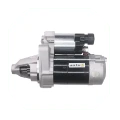
A starter is a crucial part of your car's starting system, serving as the bridge between the battery and the engine. It helps get the engine running by initiating the combustion process. When you turn the ignition key or press the start button, the starter motor receives power from the battery. This power enables the motor to turn the flywheel, which starts the engine by rotating the crankshaft. Once the engine reaches the necessary speed, the starter disengages, and the engine takes over, running on its own. Without the starter, the engine would not be able to begin operating.
Starter replacement typically costs between $300 and $900 depending on the vehicle, starter location, and labor requirements.
Several factors affect the total cost, including:
♦ Vehicle make and model
♦ Starter motor type
♦ Labor time required
♦ Accessibility of the starter
♦ OEM versus aftermarket parts
Luxury vehicles, trucks, and vehicles with difficult starter access may require additional labor. Instant Car Fix provides upfront pricing before any repairs begin.
Starter replacement cost depends on the vehicle make and model, engine size, starter location, labor time, and whether an OEM or aftermarket starter is used. Trucks, luxury vehicles, and vehicles with difficult starter access may cost more because the repair requires additional labor.
Most starter replacements take 1 to 3 hours, depending on accessibility and vehicle design.
Yes. Most starter replacements can be completed at your home, office, apartment complex, parking garage, or roadside location.
Mobile starter replacement eliminates the need for towing and allows many repairs to be completed the same day. Our technicians bring the necessary tools and replacement parts to diagnose and repair the problem on-site.
Most modern starters are replaced rather than repaired.
While loose wiring, poor electrical connections, or a faulty relay may be repairable, internal starter motor or solenoid failures typically require replacement of the complete starter assembly.
Our mechanics diagnose the problem before recommending repairs so you never replace parts unnecessarily.
Many drivers search for starter repair when their vehicle won't start. In some cases, the problem may be a loose wire, poor connection, starter relay, ignition switch, or battery issue rather than the starter itself.
However, when the internal starter motor, solenoid, or electrical contacts fail, replacing the complete starter assembly is usually the most reliable solution. Our mechanics diagnose the full starting system before recommending replacement so you do not pay for parts you do not need.
Before replacing the starter, our mobile mechanics perform a complete starting-system diagnosis to ensure the correct repair is recommended.
Our inspection typically includes:
• Battery condition and voltage
• Battery terminals and cables
• Starter motor operation
• Starter solenoid
• Starter relay
• Ignition switch
• Charging system and alternator output
• Ground cables
• Wiring connections
• Flywheel teeth (when accessible)
• Stored diagnostic trouble codes
By diagnosing the complete starting system first, we help prevent unnecessary starter replacement and ensure the actual problem is repaired.
A customer heard repeated clicking when trying to start their Honda Accord. Our mechanic confirmed the battery and alternator were working properly, diagnosed a failed starter, and completed the replacement at the customer's home.
A Ford F-150 would not start before work. After testing the battery, wiring, and starter circuit, our mechanic replaced the starter on-site and got the truck running again the same day.
A customer believed their starter had failed, but our inspection found a weak battery instead. This prevented an unnecessary starter replacement and helped the customer fix the correct problem.
Our mobile mechanics also replace starters on pickup trucks, cargo vans, and many commercial vehicles.
Whether you drive a Ford F-150, Chevrolet Silverado, GMC Sierra, RAM 1500, Toyota Tacoma, Nissan Titan, or another light-duty truck, we can diagnose starting problems and perform starter replacement at your location.
In many cases, no. Mobile mechanics can diagnose and replace a faulty starter where the vehicle is parked, eliminating the need for towing.
This saves time, reduces towing expenses, and helps get the vehicle back on the road more quickly. Many starter replacements can be completed in a single visit.
A vehicle that won't start is not always caused by a faulty starter. Problems with the battery, alternator, ignition switch, neutral safety switch, or electrical system can produce similar symptoms.
Our mobile mechanics perform diagnostic testing before recommending starter replacement. This helps identify the actual cause of the problem and prevents unnecessary repairs.
Many drivers use the terms starter, starter motor, and starter solenoid interchangeably.
The starter assembly actually includes several components working together to crank the engine. On most modern vehicles, when one of these internal components fails, replacing the complete starter assembly is usually more reliable than replacing individual parts.
Our mechanics diagnose the entire starting system before recommending replacement.
Many no-start problems are caused by a faulty starter relay rather than the starter itself.
A failed relay can prevent power from reaching the starter motor, producing symptoms that are very similar to a bad starter.
Our mechanics test the starter relay, ignition switch, battery, wiring, and starter motor before recommending replacement to ensure the correct repair is performed.
Why Choose Instant Car Fix for Starter Replacement?
When your vehicle won't start, convenience and accurate diagnosis matter. Instant Car Fix sends experienced mobile mechanics directly to your home, office, apartment complex, or roadside location, helping you avoid towing charges and long waits at repair shops.
Customers choose Instant Car Fix because we offer:
✔ ASE-certified mobile mechanics
✔ Same-day starter replacement in many locations
✔ Nationwide mobile service
✔ Complete battery, alternator, and starter diagnostics
✔ Upfront pricing with no hidden fees
✔ Quality replacement parts
✔ 12-month/12,000-mile warranty
✔ Thousands of satisfied customers nationwide
If you're dealing with a vehicle that won't start, our mobile mechanics can diagnose the problem and, in many cases, replace the starter during the same visit. Our goal is to get you back on the road as quickly and conveniently as possible with honest recommendations, transparent pricing, and quality workmanship.


Yes. Most starter replacements can be completed at your home, office, apartment complex, or parking lot without requiring a tow truck. Mobile mechanics bring the tools and replacement parts needed to perform the repair on-site.
Starter replacement typically costs between $300 and $900 depending on the vehicle, starter location, and labor requirements. You'll receive upfront pricing before any repairs begin.
In many cases, no. Mobile mechanics can diagnose and replace a faulty starter where the vehicle is parked, saving both time and towing expenses.
Most starter replacements take between one and three hours depending on the vehicle and starter location. Some vehicles may require additional labor if the starter is difficult to access.
Yes. Mobile starter replacement can be performed at homes, offices, apartment complexes, parking garages, and many roadside locations. This allows you to get the repair completed without visiting a repair shop.
In many service areas, same-day appointments are available depending on technician availability and parts inventory. This helps drivers get back on the road as quickly as possible.
Common symptoms include clicking noises when turning the key, intermittent starting problems, grinding sounds, and an engine that won't crank. In some cases, the dashboard lights may work normally while the engine fails to start.
A weak battery and a bad starter can cause similar symptoms. Professional testing can determine whether the issue is caused by the battery, starter, alternator, or another electrical component.
Some starter issues can be repaired if the problem is related to wiring or electrical connections. However, most worn or damaged starters require replacement to restore reliable operation.
Starter motors commonly fail due to age, heat exposure, worn internal components, electrical problems, and repeated starting cycles. Over time, normal wear and tear can prevent the starter from engaging properly.
Get a real Starter Replacement service from a mobile mechanic near you, no workshop visit needed.
No commitment • See pricing instantly

Got his work done quickly and efficiently even though we had some hiccups he stuck through it till the end. Great mechanic great man.


Great service, everything was fine, they were nice and polite, will be using them for all my car needs

The experience is well received mechanic was on time and waited for me and stayed until the fljob is completer

Reggie was outstanding, quick, and personable. I’ll be sure to Instantaneous Car Fix the next time I’m stuck on the road.

Sergio was fantastic! He was very informative and explained everything to us during the diagnostic. Thank you, Sergio!

Excelent he was very professional and polite my car was running again within 10 minutes after he arrives

Great service! I would definitely use them again if I ever find I need a dead battery replaced with no way to get to a shop except having it towed in. Love that they come directly to your house!

The mechanics were out promptly and completed the service efficiently! The entire experience was easy to manage.

Came out snd fixed my parents car today. Very nice young man my dad said. He did a good job. Thank you.

Got his work done quickly and efficiently even though we had some hiccups he stuck through it till the end. Great mechanic great man.
Great service, everything was fine, they were nice and polite, will be using them for all my car needs
The experience is well received mechanic was on time and waited for me and stayed until the fljob is completer
Reggie was outstanding, quick, and personable. I’ll be sure to Instantaneous Car Fix the next time I’m stuck on the road.
Sergio was fantastic! He was very informative and explained everything to us during the diagnostic. Thank you, Sergio!
Excelent he was very professional and polite my car was running again within 10 minutes after he arrives
Great service! I would definitely use them again if I ever find I need a dead battery replaced with no way to get to a shop except having it towed in. Love that they come directly to your house!
The mechanics were out promptly and completed the service efficiently! The entire experience was easy to manage.
Came out snd fixed my parents car today. Very nice young man my dad said. He did a good job. Thank you.