Financing all Credit Types - 
Financing all Credit Types -
Financing all Credit Types -
Financing all Credit Types -
Your car’s water pump is one of those components you rarely think about until something goes wrong. When it fails, engine temperatures rise fast, and the damage can escalate quickly. A failing or leaking water pump is one possible cause of engine overheating, although thermostats, radiators, coolant leaks, fans, and internal engine problems can produce similar symptoms.
This guide walks you through what a water pump does, whether replacement is worth it, common failure symptoms, how urgent the repair is, what causes water pump failure, and how mobile water pump replacement works, so you can make the right decision before serious engine damage occurs.
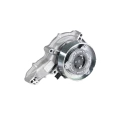
The water pump is one of the most important components of your vehicle’s cooling system. It continuously circulates coolant through the engine, radiator, and heater core, pulling excess heat away from the engine and keeping operating temperatures stable.
Without proper coolant circulation:
Heat builds rapidly
Engine components expand
Internal damage can occur in minutes
Simply put, your engine cannot survive without a working water pump.
The water pump works together with the radiator, thermostat, cooling fan, heater core, and coolant to keep the engine operating within its normal temperature range. If any one of these components fails, the entire cooling system becomes less effective.
A water pump does not always stop working all at once. In many cases, failure begins with a worn bearing, damaged seal, small coolant leak, or gradual reduction in coolant circulation.
As the pump becomes less effective, the cooling system may struggle to remove heat from the engine. The vehicle may begin leaking coolant, making unusual noises, running hotter than normal, or overheating during regular driving.
If the problem is ignored, continued overheating can damage the head gasket, warp the cylinder head, and harm other internal engine components. A relatively manageable water pump replacement can then become a much more expensive engine repair. In many cases, the first noticeable warning sign is a small coolant leak or bearing noise long before complete failure occurs.
Our mobile technicians commonly see these warning signs before water pump failure:
Puddles or drips of green, orange, yellow, blue, or pink fluid may indicate a cooling-system leak. When the leak comes from the front or side of the engine near the water pump, the pump seal, gasket, housing, or weep hole may be the source. A pressure test can help confirm the location before parts are replaced.
A rising temperature gauge or overheating warning light is one of the most serious signs of reduced coolant circulation. The temperature may rise during highway driving, acceleration, towing, or climbing hills before eventually becoming noticeable during normal driving as the pump deteriorates.
Worn water-pump bearings may create whining, grinding, growling, or squealing sounds near the front or side of the engine. The noise may change with engine speed, but belt tensioners, pulleys, and alternator bearings can sound similar, so the source should be confirmed before replacing the pump.
Steam from under the hood generally means coolant is boiling, escaping onto a hot surface, or both. Shut the engine off as soon as it is safe, and never remove the radiator cap while the cooling system is hot and pressurized.
Dried coolant residue, staining, rust, or corrosion around the pump may indicate a slow leak that has been present for some time. Even when no puddle is visible under the vehicle, small leaks can reduce the coolant level and eventually lead to overheating.
A loose or visibly wobbling water-pump pulley may indicate worn bearings or shaft damage. This condition can affect belt alignment and may lead to sudden pump or belt failure.
A failing water pump can sometimes reduce coolant circulation through the heater core. The cabin heater may blow lukewarm or cold air, particularly when the coolant level is low or air has entered the cooling system.
If you notice any of these symptoms, stop driving and schedule service immediately.
A coolant leak or overheating engine does not automatically mean the water pump has failed. A leaking hose, damaged radiator, faulty thermostat, trapped air, or internal engine problem can produce similar symptoms.
A mechanic usually begins by checking the coolant level and condition and inspecting the pump, hoses, radiator, and reservoir for leaks or dried coolant residue. The water-pump pulley and bearings may also be checked for looseness, wobbling, or unusual noise.
The cooling system may then be pressure-tested to reveal leaks that are difficult to see when the engine is cold. Depending on the vehicle and symptoms, the mechanic may also evaluate coolant circulation, inspect belt operation, monitor engine temperature, and perform a road test before recommending replacement.
No. Driving with a failing water pump can cause sudden coolant loss, rapid overheating, and severe engine damage. Every mile driven with an overheating engine increases the risk of expensive internal engine damage.
Even short trips can lead to:
Severe overheating
Sudden coolant loss
Permanent engine damage
If your car is overheating, leaking coolant, or producing steam, park it and arrange mobile water pump replacement or professional towing right away.
There is no reliably safe distance. A pump with a small leak may continue operating temporarily, while a pump with a damaged bearing, broken impeller, or major coolant leak may cause the engine to overheat within minutes.
The risk also depends on coolant level, outside temperature, driving speed, engine load, and the severity of the failure. If the temperature gauge rises, steam appears, or coolant is leaking, stop driving as soon as it is safe.
It depends on the vehicle.
In some cars, the water pump is easily accessible. In others, it’s located behind the timing belt, which increases labor time and cost. That’s why water pump replacement pricing varies so widely.
Technician tip:
If your timing belt is due for replacement and the water pump is located behind it, replacing both at the same time can save significant labor costs and prevent future breakdowns.
On some vehicles, replacing the water pump is considered routine maintenance. On others, the repair can be significantly more complex because additional engine components must be removed to access the pump.
Water pump replacement commonly costs approximately $400 to $1,200 or more, depending on the vehicle, engine design, labor time, part quality, and whether related components must be removed.
An externally mounted pump may be relatively straightforward to access. A water pump located behind the timing belt or timing cover can require significantly more labor and may cost considerably more.
The final estimate may also include coolant, gaskets, seals, replacement bolts, belt components, thermostat replacement, cooling-system bleeding, pressure testing, and taxes or service fees.
These are general estimates. The exact price should be based on the vehicle identification details, engine configuration, part selection, and required labor.
The replacement pump alone may cost approximately $50 to $500 or more, depending on the vehicle and whether the part is mechanical, electric, OEM, or aftermarket.
However, the part price represents only one portion of the total repair. Labor can exceed the cost of the pump when engine mounts, timing components, covers, belts, or other parts must be removed to gain access.
The water pump itself is not always the most expensive part of the repair. Much of the cost can come from the labor required to access and replace it.
On some vehicles, the mechanic must remove the timing belt, timing cover, engine mount, accessory belt, pulleys, or other components. After the new pump is installed, the cooling system must be refilled, properly bled to remove trapped air, inspected for leaks, and tested at operating temperature.
Vehicles with electric water pumps, complex engine packaging, or limited access may require more expensive parts and additional labor.
The most common causes include:
Worn bearings due to age or mileage
Failing seals and gaskets
Contaminated or old coolant
Improper drive belt tension
Previous engine overheating
Routine cooling system maintenance, such as coolant flushes and inspections, can significantly extend water pump life.
Most water pumps wear gradually rather than failing without warning. Bearings may become noisy, seals may begin leaking, and corrosion or impeller damage may slowly reduce coolant circulation. Using the correct coolant and replacing it at the recommended intervals can help protect the pump’s seals and internal components.
Water-pump lifespan varies widely by vehicle and pump design. Some pumps fail before 60,000 miles, while others last well beyond 100,000 miles. Their lifespan depends on pump design, coolant maintenance, driving conditions, belt condition, engine temperature, and overall vehicle maintenance.
A timing-belt-driven water pump is often replaced during scheduled timing-belt service even when it has not failed. Replacing both at the same time can avoid paying much of the same labor twice.
Electric water-pump lifespan varies considerably by vehicle and should be evaluated based on diagnostic findings and manufacturer guidance rather than mileage alone.
In most cases, a leaking automotive water pump is replaced rather than rebuilt or repaired. The bearings, shaft, seals, and impeller are generally part of one assembly, and replacing the complete pump is usually more reliable.
If the leak is coming only from a separate gasket, hose connection, or nearby component, the pump itself may not need replacement. The exact source should be confirmed through inspection or pressure testing before authorizing the repair.
Water-pump replacement is generally the appropriate repair when the pump has bearing wear, shaft movement, internal impeller damage, seal failure, or leakage from its weep hole.
Attempting to repair an internally damaged pump is rarely practical because the labor to remove it is often significant, and a repaired unit may not provide the same reliability as a quality replacement assembly.
The thermostat should at least be inspected whenever the cooling system is opened for water-pump replacement. Replacing it may make sense when it is old, malfunctioning, contaminated, inexpensive, or accessible during the same repair.
It does not always need to be replaced automatically. The decision should depend on its condition, accessibility, maintenance history, and the vehicle manufacturer’s recommendations.
When the timing belt drives the water pump or must be removed to reach it, replacing both components together is often cost-effective. Much of the labor overlaps, so replacing an aging belt during the same visit may prevent paying for the same disassembly again.
The timing-belt tensioner, idler pulleys, seals, and related hardware should also be inspected. The recommendation should follow the vehicle’s service interval and the actual condition of the components.
Many water-pump replacements take approximately two to six hours, but labor time varies significantly by vehicle.
An accessible external pump may be replaced relatively quickly. A pump installed behind the timing belt or buried beneath mounts, covers, hoses, or intake components can require substantially more time.
Additional time may also be needed to obtain parts, allow the engine to cool, clean the mounting surface, refill and bleed the cooling system, pressure-test the repair, and complete a final road test.
The mechanic first confirms that the water pump is the source of the problem and allows the engine to cool. The coolant is then drained, and the belts, covers, pulleys, mounts, or timing components blocking access are removed as required.
The old pump is removed, and the mounting surface is cleaned carefully. A new pump and appropriate gasket or seal are installed according to the manufacturer’s specifications.
The removed components are reinstalled, the system is refilled with the correct coolant, and trapped air is removed. The mechanic then inspects for leaks, verifies normal operating temperature and heater performance, and road-tests the vehicle when appropriate.
In most cases, replacing a failed water pump is worthwhile when the rest of the vehicle is in usable condition. The pump is essential to engine cooling, and avoiding the repair can quickly lead to damage that costs much more than the water-pump replacement itself.
The decision should still consider the vehicle’s age, mileage, condition, market value, existing mechanical problems, and any damage already caused by overheating. If the engine has already suffered major internal damage, the mechanic should evaluate the complete repair cost before work is approved.
Instant Car Fix provides mobile water pump diagnosis and replacement at your home or workplace. Our experienced, vetted mobile mechanics diagnose the problem, explain the recommended repairs, and provide upfront pricing before any approved work begins.
Instead of towing your car to a shop or waiting days for service, Instant Car Fix brings experienced, vetted mobile mechanics directly to you
No shop visits or waiting rooms
Experienced, vetted mobile mechanics
Transparent, upfront pricing
Faster scheduling and turnaround
Cooling-system inspection related to the scheduled service
After the repair, the mechanic checks the related cooling-system components within the service scope, verifies coolant circulation, inspects for leaks, and confirms that the engine is operating at a normal temperature.


Water pump replacement typically costs between $400 and $1,200 or more, depending on the vehicle, engine design, labor required, and the quality of the replacement parts. Vehicles that require removal of the timing belt or other major engine components generally cost more because of the additional labor involved. A professional inspection is the best way to determine the exact repair cost.
Common symptoms include coolant leaks, engine overheating, whining or grinding noises from the front of the engine, steam under the hood, rust or coolant residue around the pump, and poor heater performance. These symptoms can also be caused by other cooling system problems, so proper diagnosis is important before replacing any parts.
Driving with a failing water pump is not recommended because coolant circulation may suddenly stop, causing the engine to overheat. Continued driving can result in expensive engine damage such as a blown head gasket, warped cylinder head, or even complete engine failure. If your temperature gauge begins rising or steam appears, pull over as soon as it is safe.
Most water pump replacements take between two and six hours, although the exact time depends on the vehicle. Some water pumps are easily accessible, while others require removal of the timing belt, engine mounts, or additional cooling system components. Your mechanic can provide a more accurate estimate after inspecting your vehicle.
Water pump lifespan varies by vehicle, driving conditions, and maintenance history. Some pumps fail before 60,000 miles, while others continue working well beyond 100,000 miles. Regular coolant changes using the correct coolant can help extend the life of the water pump and other cooling system components.
Yes. Although many failing water pumps develop coolant leaks, others fail because of worn bearings, damaged impellers, or internal mechanical wear without showing any visible leakage. In these cases, overheating, unusual noises, or poor coolant circulation may be the first warning signs.
In most cases, a leaking water pump is replaced rather than repaired because the bearings, shaft, seals, and impeller are built into one assembly. If the leak is coming from a nearby hose, gasket, or another cooling system component, the water pump itself may not need replacement. Proper diagnosis helps identify the actual source of the leak.
The thermostat should always be inspected whenever the water pump is replaced. If it is inexpensive, easily accessible, or showing signs of wear, many mechanics recommend replacing it during the same repair to reduce future labor costs. However, it does not automatically need replacement if it is functioning properly.
If the timing belt must be removed to replace the water pump or is already close to its recommended replacement interval, replacing both components during the same repair is often the most cost-effective approach. Because much of the labor overlaps, doing both jobs together can save money and reduce the likelihood of future breakdowns.
Yes. A failing water pump can reduce or completely stop coolant circulation, allowing engine temperatures to rise rapidly. If the engine continues overheating, it can damage the head gasket, warp the cylinder head, crack engine components, or require complete engine replacement. Addressing water pump problems early is the best way to avoid these costly repairs.
Get a real Water Pump service from a mobile mechanic near you, no workshop visit needed.
No commitment • See pricing instantly

Great service! I would definitely use them again if I ever find I need a dead battery replaced with no way to get to a shop except having it towed in. Love that they come directly to your house!


Great service, everything was fine, they were nice and polite, will be using them for all my car needs

Sergio was fantastic! He was very informative and explained everything to us during the diagnostic. Thank you, Sergio!

The experience is well received mechanic was on time and waited for me and stayed until the fljob is completer

Reggie was outstanding, quick, and personable. I’ll be sure to Instantaneous Car Fix the next time I’m stuck on the road.

The mechanics were out promptly and completed the service efficiently! The entire experience was easy to manage.

Excelent he was very professional and polite my car was running again within 10 minutes after he arrives

Came out snd fixed my parents car today. Very nice young man my dad said. He did a good job. Thank you.

Got his work done quickly and efficiently even though we had some hiccups he stuck through it till the end. Great mechanic great man.

Great service! I would definitely use them again if I ever find I need a dead battery replaced with no way to get to a shop except having it towed in. Love that they come directly to your house!
Great service, everything was fine, they were nice and polite, will be using them for all my car needs
Sergio was fantastic! He was very informative and explained everything to us during the diagnostic. Thank you, Sergio!
The experience is well received mechanic was on time and waited for me and stayed until the fljob is completer
Reggie was outstanding, quick, and personable. I’ll be sure to Instantaneous Car Fix the next time I’m stuck on the road.
The mechanics were out promptly and completed the service efficiently! The entire experience was easy to manage.
Excelent he was very professional and polite my car was running again within 10 minutes after he arrives
Came out snd fixed my parents car today. Very nice young man my dad said. He did a good job. Thank you.
Got his work done quickly and efficiently even though we had some hiccups he stuck through it till the end. Great mechanic great man.