Financing all Credit Types - 
Financing all Credit Types -
Financing all Credit Types -
Financing all Credit Types -
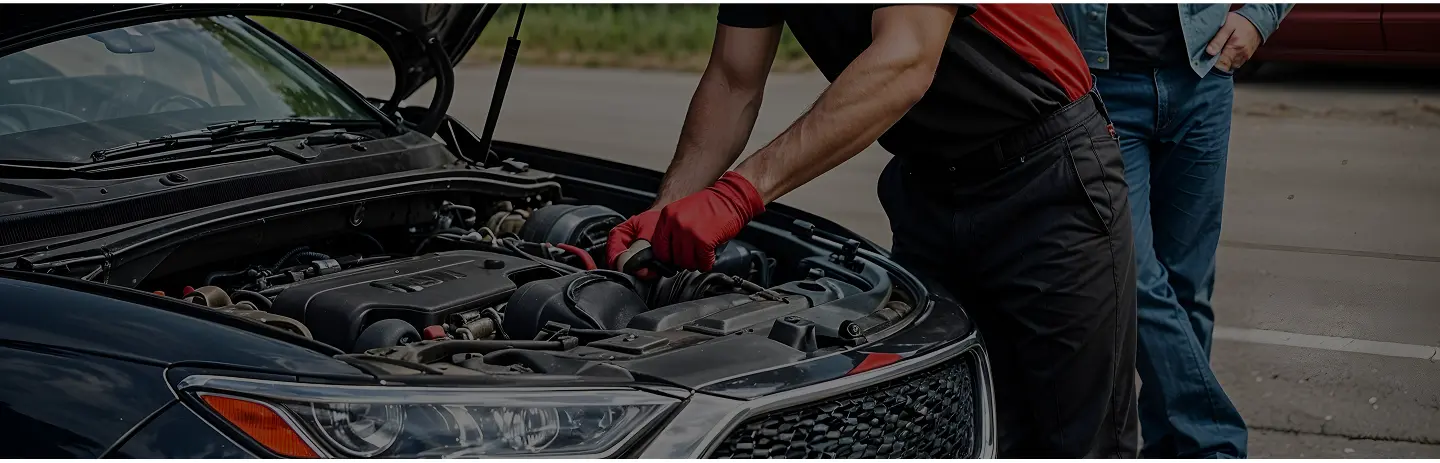
One moment you're driving normally - highway, side street, parking lot, it doesn't matter and then the engine just shuts off.
No warning. Or maybe the dashboard flickers for a second before everything goes quiet.
Suddenly you're coasting with limited steering assist, weak braking power, and a rapidly shrinking amount of time to get somewhere safe.
Few automotive problems are more stressful than a car dying while driving. And honestly, it's one of the most commonly misdiagnosed issues in modern vehicles.
The reason is simple:
A vehicle that shuts off while moving can have dozens of completely different root causes that all create the exact same symptom - the engine stops running.
The good news is that a car almost never dies randomly.
There's usually a pattern:
♦ Dies only when hot
♦ Dies at highway speed
♦ Dies at idle
♦ Dies after getting gas
♦ Dies and restarts later
♦ Dies with the battery light on
♦ Dies and cranks but won’t fire
And once you identify the pattern, the diagnosis becomes dramatically easier.
At Instant Car Fix, our mobile mechanics diagnose stalling and shutdown problems every day. This guide breaks down the most common causes, the exact symptom patterns mechanics look for, and what you should do next.
The most common reasons a car shuts off while driving include:
♦ alternator failure
♦ fuel pump failure
♦ crankshaft position sensor failure
♦ ignition switch problems
♦ fuel delivery issues
♦ overheating
♦ vacuum leaks
♦ ignition coil failures
If the battery light appeared before the engine died, the alternator is often the real problem.
If the vehicle dies after warming up and then restarts later, mechanics immediately start thinking about:
♦ crankshaft position sensors
♦ fuel pumps
♦ heat-related electrical failures
If the engine dies mostly at stop lights or idle, the problem is usually related to:
♦ vacuum leaks
♦ throttle body issues
♦ idle control problems
♦ airflow sensors
Here's where many drivers get confused:
the exact same symptom “the car died” can come from completely different systems.
That’s why the pattern matters more than the shutdown itself.
No.
A vehicle that stalls while driving is a serious safety issue because you can suddenly lose power steering and power brake assist.
Even if the vehicle restarts afterward, continued driving can worsen the underlying failure and increase the risk of:
♦ losing power in traffic
♦ getting stranded
♦ damaging expensive components
And honestly, intermittent stalling problems almost always get worse over time.
If you're searching for a mechanic near me because your car died while driving, a mobile mechanic can often diagnose the issue on-site without requiring a tow.
The first priority is staying calm and getting the vehicle somewhere safe.
Even after the engine shuts off:
♦ steering still works
♦ brakes still work
But both become noticeably harder.
Guide the car toward:
♦ the shoulder
♦ a parking lot
♦ a side street
♦ anywhere away from active traffic
Then turn on your hazard lights immediately.
After that, try restarting the vehicle but pay attention to exactly what happens.
Does it:
♦ crank normally?
♦ crank slowly?
♦ click once?
♦ restart immediately?
♦ restart only after sitting?
♦ not crank at all?
This information is incredibly important for diagnosis.
And honestly, this is where many shops start guessing instead of testing.
Professional diagnosis is usually based less on the stall itself and more on:
♦ what happened before the stall
♦ what happened after the stall
♦ when the problem occurs
♦ whether the vehicle restarts
For example:
A car that:
♦ dies only when hot
♦ restarts after cooling down
♦ cranks normally afterward
strongly points toward:
♦ crankshaft position sensor failure
♦ fuel pump overheating
Meanwhile, a vehicle that:
♦ shows the battery light
♦ has flickering electronics
♦ slowly loses power before dying
usually points toward:
alternator failure
A car that:
♦ stalls mostly at stop lights
♦ idles rough beforehand
♦ surges or hesitates
often points toward:
♦ vacuum leaks
♦ throttle body problems
A pattern is almost always there.
Experienced mechanics learn to diagnose the pattern first, not just the symptom.
This is one of the most common reasons a car dies while driving.
Once the engine starts, the alternator powers:
♦ ignition systems
♦ fuel injectors
♦ engine computers
♦ electronics
♦ charging systems
When the alternator fails, the vehicle temporarily runs off battery power until voltage drops too low to keep the engine alive.
Usually the car doesn’t die instantly.
Instead, drivers often notice:
♦ battery warning light
♦ flickering dashboard lights
♦ dim headlights
♦ weak acceleration
♦ radio or electronics acting strange
before the engine finally shuts off.
We've seen this exact pattern countless times on high-mileage vehicles.
One of the easiest ways to confirm alternator problems is checking battery voltage while the engine is running.
A healthy charging system usually reads:
♦ 13.5V–14.8V
Anything significantly lower usually points toward charging system failure.
Most alternator replacements cost:
$250-$700
depending on the vehicle.
Need a mobile mechanic near you?
Instant Car Fix mechanics can test charging systems on-site and replace alternators at your location.
Fuel pumps fail far more often than many drivers realize.
The fuel pump’s job is simple:
deliver fuel from the gas tank to the engine at the correct pressure.
When the pump begins failing, fuel pressure drops and the engine eventually stalls.
One of the classic fuel pump patterns looks like this:
The vehicle:
♦ runs normally cold
♦ drives fine initially
♦ dies after 20-40 minutes
♦ restarts after sitting
This happens because aging fuel pumps often fail once they heat up.
And honestly, this is one of those failures that can fool even experienced mechanics.
Many drivers replace:
♦ batteries
♦ starters
♦ alternators
before realizing the real issue is fuel delivery.
Other fuel pump symptoms include:
♦ hesitation during acceleration
♦ loss of power at highway speed
♦ long cranking
♦ whining noise from fuel tank
♦ cranks normally but won't start
Most fuel pump replacements range from:
depending on tank access and vehicle design.
This is one of the most common causes of intermittent stalling in modern vehicles.
The crankshaft position sensor tells the ECU:
♦ engine speed
♦ crankshaft position
♦ ignition timing
Without that signal:
the ECU stops firing:
♦ spark
♦ fuel injectors
The engine instantly shuts off.
What makes this problem tricky is that the sensor often fails intermittently.
The most common pattern looks like this:
♦ vehicle runs perfectly cold
♦ dies once warm
♦ restarts after cooling down
That hot-stall signature is extremely common.
Drivers may also notice:
♦ sudden shutdown without warning
♦ intermittent no-start conditions
♦ random stalling
♦ tachometer dropping suddenly
♦ check engine light
Common diagnostic codes include:
♦ P0335
♦ P0336
Most crankshaft sensor replacements cost:
$100-$300
Vacuum leaks allow unmetered air into the engine.
That disrupts fuel mixture calculations and can eventually cause:
♦ rough idle
♦ stalling
♦ hesitation
♦ unstable RPM
Unlike alternator or fuel pump failures, vacuum leaks usually cause symptoms before the engine actually dies.
Drivers often notice:
♦ rough idle
♦ hissing sounds
♦ fluctuating RPM
♦ poor fuel economy
♦ stalling at stop lights
This is especially common on:
♦ older vehicles
♦ turbocharged engines
♦ high-mileage cars
Vacuum leak repairs vary dramatically:
depending on leak location.
Misfires can eventually become severe enough to stall the engine entirely.
This is especially common on:
♦ high-mileage vehicles
♦ neglected tune-ups
♦ turbocharged engines
♦ smaller 4-cylinder engines
Symptoms usually develop gradually before the vehicle starts dying.
Drivers often notice:
♦ shaking
♦ rough idle
♦ hesitation
♦ reduced acceleration
And honestly, this is where many shops start throwing random ignition parts at the vehicle instead of properly testing the misfiring cylinder.
Most ignition-related repairs cost:
$100-$500+
depending on:
♦ number of coils
♦ spark plugs
♦ engine layout
The ignition switch controls power to critical engine systems.
When it fails, the vehicle can suddenly lose:
♦ ignition power
♦ fuel system power
♦ ECU communication
Some vehicles are especially known for this issue.
Older GM vehicles, for example, had widespread ignition switch problems that caused:
♦ random shutdowns
♦ electrical loss
♦ intermittent stalling
One clue mechanics look for is whether:
♦ dashboard lights suddenly go dark
♦ accessories lose power
♦ key movement affects engine operation
Most ignition switch replacements cost:
Some vehicles automatically shut down the engine to prevent catastrophic damage.
Others stall simply because engine temperatures become too extreme for normal operation.
If overheating caused the stall, drivers often notice:
♦ temperature gauge climbing
♦ coolant smell
♦ steam
♦ reduced performance
♦ warning lights
Never ignore overheating.
A severely overheated engine can quickly turn into:
♦ head gasket failure
♦ warped cylinder heads
♦ engine replacement
A restricted fuel filter can slowly starve the engine of fuel.
This usually shows up under:
♦ acceleration
♦ highway speed
♦ heavy engine load
before progressing into stalling.
Unlike fuel pump failures, clogged filters usually cause:
♦ gradual power loss
♦ hesitation
♦ stumbling under throttle
before complete shutdown.
Fuel filter replacements typically cost:
$50-$200
Camshaft sensors help manage:
♦ fuel injection timing
♦ ignition synchronization
♦ variable valve timing systems
When they fail, vehicles may:
♦ run rough
♦ hesitate
♦stall intermittently
struggle restarting
Common codes include:
♦ P0340
♦ P0341
And honestly, camshaft sensor failures are often confused with crankshaft sensor problems because the symptoms overlap heavily.
Most repairs range from:
$100-$300
Modern engines rely heavily on electronic throttle control.
When the throttle body sticks or the throttle position sensor fails, the engine may:
♦ stall at stop lights
♦ surge unexpectedly
♦ hesitate during acceleration
♦ struggle maintaining idle
This is especially common on:
♦ dirty throttle bodies
♦ neglected maintenance vehicles
♦ electronic throttle systems
Most throttle-related repairs cost:
$100-$500+
The MAF sensor measures incoming airflow.
Bad airflow data creates incorrect fuel mixtures that can eventually stall the engine.
Symptoms often include:
♦ rough idle
♦ hesitation
♦ poor acceleration
♦ black smoke
♦ poor fuel economy
♦ intermittent stalling
This is another issue that often develops gradually before complete shutdown.
Most MAF replacements cost:
$100-$350
This is one of the most serious possibilities.
If timing synchronization fails:
the engine can instantly shut down.
Drivers often describe:
♦ sudden violent shutdown
♦ unusual cranking afterward
♦ loud snapping noise
♦ complete no-start condition
On interference engines, severe internal engine damage can occur.
Timing-related repairs range from:
$500-$6,000+
depending on damage severity.
It sounds obvious, but it happens constantly.
Faulty fuel level senders can:
♦ misread fuel levels
♦ show inaccurate gauge readings
♦ cause unexpected fuel starvation
Some vehicles consistently stall below:
♦ quarter tank
♦ eighth tank
because of inaccurate gauge readings or weak fuel pumps.
And honestly, this fools people far more often than you'd think.
Most likely:
♦ crankshaft position sensor
Most likely:
♦ fuel pump
♦ clogged fuel filter
♦ alternator
Most likely:
♦ vacuum leak
♦ throttle body
♦ MAF sensor
Most likely:
alternator failure
Most likely:
♦ fuel delivery issue
♦ ignition problem
♦ crankshaft sensor
Some vehicles are known for very specific stalling failures.
Common for:
♦ main relay failures
♦ hot-weather shutdowns
Known for:
♦ crankshaft sensor issues
♦ timing problems
Common for:
♦ TIPM failures
♦ intermittent fuel pump shutdown
Known for:
♦ ignition coil failures
♦ crankshaft sensor problems
Frequently develops:
♦ MAF sensor issues
♦ intermittent stalling
Typical repair ranges include:
♦ Alternator: $250-$700
♦ Fuel Pump: $300-$900
♦ Crankshaft Sensor: $100-$300
♦ Ignition Coil: $100-$500
♦ Vacuum Leak Repair: $50-$600+
♦ Ignition Switch: $150-$400
♦ Timing Belt Replacement: $400-$1,200+
Luxury vehicles and turbocharged engines usually cost more.
Before scheduling repairs, there are a few simple things worth checking.
Turn the key to ON and listen near the fuel tank.
No fuel pump sound may indicate:
♦ failed fuel pump
♦ fuel pump relay issue
♦ electrical failure
Even basic OBD2 scanners can reveal:
♦ crankshaft sensor failures
♦ charging system faults
♦ ignition misfires
♦ airflow problems
A running vehicle should usually show:
13.5V–14.8V
Lower readings often indicate alternator problems.
Even if the gauge shows fuel:
add a few gallons and retest.
Faulty fuel gauges fool drivers constantly.
If your car died while driving and won’t restart, Instant Car Fix mobile mechanics can diagnose the issue on-site.
We perform:
♦ charging system testing
♦ fuel pressure testing
♦ ignition testing
♦ sensor diagnostics
♦ battery testing
without requiring a tow.
Many drivers searching for a mobile mechanic near me are actually dealing with:
♦ alternator failures
♦ crankshaft sensor problems
♦ fuel delivery issues
And those can often be diagnosed the same day.
A car dying while driving is never something you should ignore.
But the important thing to understand is this:
the shutdown itself is only part of the story.
The real diagnosis comes from:
♦ the pattern
♦ the conditions
♦ the restart behavior
♦ the warning signs beforehand
And once you identify those patterns, the list of possible causes becomes much smaller.
The biggest mistake drivers make is replacing random parts before properly diagnosing the issue.
At Instant Car Fix, we diagnose:
♦ stalling
♦ intermittent shutdowns
♦ no-start problems
♦ electrical failures
♦ fuel delivery issues
every day.
And honestly, accurate diagnosis is what saves people the most money.
If your car died while driving and you're searching for a mechanic near me, Instant Car Fix can come directly to your location and diagnose the issue on-site.


This usually points to a heat-related electrical failure, most commonly a failing crankshaft position sensor or overheating fuel pump. These components often stop working once they get hot, then work again after cooling down. That’s why the car may restart after sitting for a while.
This usually indicates an intermittent electrical or sensor issue. Common causes include crankshaft sensors, ignition switch problems, loose electrical connections, or failing relays. Fuel delivery problems can also create this pattern.
Usually no. Once the engine is running, the alternator powers most of the vehicle’s systems. In most real-world cases, alternator failure is far more likely than the battery itself.
This usually points toward a vacuum leak, throttle body issue, idle control problem, or MAF sensor failure. Engines are more sensitive to airflow and fuel mixture problems while idling. That’s why the vehicle may stall only at low speeds or stop lights.
Gradual power loss before stalling often points to fuel delivery problems or charging system failure. Weak fuel pumps, clogged fuel filters, and failing alternators are common causes. Sudden instant shutdowns are usually more electrical in nature.
Yes, but usually only when oil levels become dangerously low. Some modern vehicles may shut down or enter protection mode to prevent severe engine damage. Low oil can also cause overheating and internal engine wear.
This commonly points to a faulty EVAP purge valve. A stuck purge valve can flood the engine with fuel vapors after refueling, causing rough idle, hard starting, or stalling. This is surprisingly common on many modern vehicles.
Yes. A failing torque converter or severe transmission drag can sometimes stall the engine, especially at low speeds or while stopping. However, fuel and electrical issues are still much more common causes.
Dropping RPM before shutdown usually points to fuel delivery, airflow, or idle control problems. Common causes include vacuum leaks, throttle body issues, weak fuel pumps, or MAF sensor failures. Sudden instant shutdowns are more commonly electrical.
Absolutely. Poor ground connections can create voltage instability, ECU communication issues, and random electrical failures. Bad grounds are one of the most overlooked causes of intermittent stalling problems.
If you're searching for a mechanic near me because your car died while driving, Instant Car Fix can often diagnose the issue the same day.

Great customer service! Real person answered every phone call right away and was able to assist quickly. I got the pre-purchase inspection I needed. Detailed notes, multiple photos. Very satisfied. A+


Jamie arrived on time, diagnosed my car’s issue and provided a quote for the repair. I will definitely use again if needed.

My Jaguar battery was dead and I had no way of accessing it since it is located in the trunk….and I could not open the trunk since the battery was dead😵💫. Contacted Instant Car Fix and a mechanic was dispatched with a new battery. He was great! Got the trunk opened by jumping a terminal under the hood. Installed the new battery and the car was good to go! Great service by an experienced mechanic! Thanks!

Diego has great customer service. He was very fast and professional. He also gave me a few tips for any other problems

J e a n was very helpful to me I'm hoping my problem has been resolved very patient and very professional I recommend them to other people

Had Caleb do a pre-purchase inspection on a Jeep I was buying from Missouri, and the guy was great. Really thorough — found stuff I would’ve missed, told me straight what was worth fixing and what wasn’t. No runaround, answered all my questions fast. If you’re buying a used rig, don’t skip this step. I highly recommend.

Zack was very professional and did a great job fixing my car during the estimated time he provided. We would definitely use this service again.

Zach was great is work with. Showed up in the expected time frame, got the work done quickly as well.

Lovely service, very fast, the car was fully fixed, battery change was super fast and oil change. Very grateful!

Great customer service! Real person answered every phone call right away and was able to assist quickly. I got the pre-purchase inspection I needed. Detailed notes, multiple photos. Very satisfied. A+
Jamie arrived on time, diagnosed my car’s issue and provided a quote for the repair. I will definitely use again if needed.
My Jaguar battery was dead and I had no way of accessing it since it is located in the trunk….and I could not open the trunk since the battery was dead😵💫. Contacted Instant Car Fix and a mechanic was dispatched with a new battery. He was great! Got the trunk opened by jumping a terminal under the hood. Installed the new battery and the car was good to go! Great service by an experienced mechanic! Thanks!
Diego has great customer service. He was very fast and professional. He also gave me a few tips for any other problems
J e a n was very helpful to me I'm hoping my problem has been resolved very patient and very professional I recommend them to other people
Had Caleb do a pre-purchase inspection on a Jeep I was buying from Missouri, and the guy was great. Really thorough — found stuff I would’ve missed, told me straight what was worth fixing and what wasn’t. No runaround, answered all my questions fast. If you’re buying a used rig, don’t skip this step. I highly recommend.
Zack was very professional and did a great job fixing my car during the estimated time he provided. We would definitely use this service again.
Zach was great is work with. Showed up in the expected time frame, got the work done quickly as well.
Lovely service, very fast, the car was fully fixed, battery change was super fast and oil change. Very grateful!