Financing all Credit Types - 
Financing all Credit Types -
Financing all Credit Types -
Financing all Credit Types -
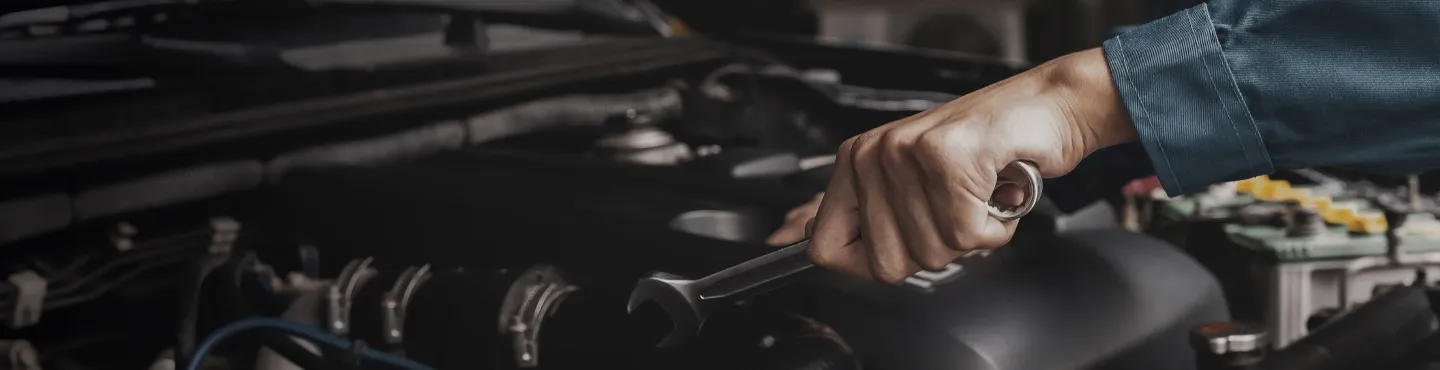
You're merging onto the highway, pressing the accelerator, and suddenly the car shudders. The engine hesitates. Maybe the RPMs stumble before climbing. Maybe the check engine light starts flashing. Sometimes it feels like the vehicle briefly loses power before recovering.
That's an engine misfire under acceleration.
A misfire means one or more cylinders failed to combust fuel properly during the power stroke. Under acceleration, your engine is under its highest load conditions which means weak ignition, fuel delivery, airflow, or compression problems become far more noticeable.
Left untreated, misfires can:
♦ damage your catalytic converter
♦ reduce fuel economy
♦ cause engine damage
♦ create dangerous loss of power
♦ eventually lead to complete no-start conditions
At Instant Car Fix, acceleration misfires are one of the most common drivability issues our mobile mechanics diagnose. This guide explains the real causes, what the symptoms actually mean, which vehicles are most affected, and how to fix the problem correctly the first time.
Not all misfires feel identical.
Some vehicles shake violently under acceleration. Others hesitate subtly at specific RPMs. Some feel like quick jerks or stumbles. Others trigger flashing check engine lights immediately.
Common acceleration misfire symptoms include:
♦ shaking during acceleration
♦ hesitation under load
♦ jerking while accelerating
♦ flashing check engine light
♦ rough idle followed by poor acceleration
♦ power loss at higher RPMs
♦ sputtering during highway acceleration
♦ engine bucking under throttle
Many drivers initially mistake misfires for:
♦ transmission problems
♦ bad motor mounts
♦ fuel quality issues
♦ drivetrain vibration
But true engine misfires almost always involve incomplete combustion inside one or more cylinders.
Your engine depends on three things happening correctly at the exact same moment:
♦ fuel delivery
♦ spark
♦ compression
When any part of that process fails, combustion weakens or disappears entirely.
During acceleration:
♦ cylinder pressure rises
♦ fuel demand increases
♦ ignition voltage requirements increase
♦ injector demand increases
♦ airflow changes rapidly
That means weak components that seem “fine” during idle or light driving suddenly fail under load.
This is why many cars:
♦ idle normally
♦ cruise normally
♦ only misfire during acceleration
Acceleration exposes borderline components very quickly.
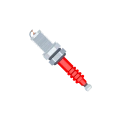
Spark plugs are still the single most common misfire cause.
As spark plugs wear:
♦ electrode gaps widen
♦ ignition voltage demand increases
♦ combustion becomes inconsistent
A worn spark plug may still fire adequately at idle but fail under acceleration when cylinder pressures rise.
Common symptoms:
♦ hesitation under load
♦ rough acceleration
♦ poor fuel economy
♦ intermittent shaking
Typical repair cost:
$100-$350
depending on engine accessibility and plug type.
Modern engines use coil-on-plug ignition systems where each cylinder has its own ignition coil.
When coils weaken:
♦ spark becomes inconsistent
♦ combustion weakens under load
♦ misfires appear during acceleration
Heat-related coil failure is especially common. Many vehicles drive normally cold but begin misfiring once the engine warms up.
This often overlaps with:
Why you car dies when hot but restarts later
Common symptoms:
♦ cylinder-specific misfires
♦ hesitation during acceleration
♦ rough idle
♦ intermittent power loss
Typical repair cost:
$150-$500+
depending on the number of coils replaced.
Fuel injectors deliver precisely metered fuel into each cylinder.
When injectors become:
♦ clogged
♦ restricted
♦ electrically weak
♦ leaking
the engine may run lean or rich under acceleration.
A partially clogged injector may work normally at idle but fail once the engine demands higher fuel volume.
Common symptoms:
♦ hesitation during throttle input
♦ rough acceleration
♦ lean codes
♦ fuel smell
♦ intermittent misfires
Typical repair cost:
$150-$600+
depending on whether cleaning or replacement is needed.
Weak fuel pumps commonly create:
acceleration-only misfires.
At idle, fuel demand is low. Under acceleration, injector demand rises dramatically. A weak pump cannot maintain sufficient pressure, causing lean combustion and cylinder misfires.
This is especially common on higher-mileage vehicles.
You may also want to read:
Signs of a bad fuel pump
Common symptoms:
♦ hesitation under heavy throttle
♦ sputtering at highway speeds
♦ long crank before starting
♦ power loss under load
Typical repair cost:
$400-$900
Vacuum leaks introduce unmetered air into the engine.
That extra air disrupts the air-fuel ratio and creates lean combustion conditions.
Small vacuum leaks may barely affect idle but become much worse during acceleration transitions.
Common leak points:
♦ intake manifold gaskets
♦ vacuum hoses
♦ PCV hoses
♦ throttle body gaskets
♦ intake boots
Common symptoms:
♦ rough idle
♦ lean codes
♦ acceleration hesitation
♦ hissing sounds
♦ random misfires
Typical repair cost:
$50-$700
depending on leak location.
Direct-injection engines are extremely prone to intake valve carbon buildup.
Over time, carbon deposits restrict airflow and disrupt air-fuel mixing.
This is very common on:
♦ EcoBoost engines
♦ VW/Audi turbo engines
♦ BMW turbo engines
♦ many modern GDI engines
Symptoms often include:
♦ hesitation under acceleration
♦ rough cold starts
♦ poor throttle response
♦ intermittent misfires
Typical repair cost:
$500-$1,000
for professional intake cleaning.
The MAF sensor measures incoming airflow.
If the sensor reads airflow incorrectly:
♦ fuel delivery becomes inaccurate
♦ acceleration fueling becomes unstable
♦ cylinders misfire under load
Acceleration misfires caused by MAF problems often feel inconsistent and difficult to reproduce.
Common symptoms:
♦ hesitation under throttle
♦ poor fuel economy
♦ rough acceleration
♦ lean or rich codes
Typical repair cost:
$150-$400
The crankshaft sensor controls ignition and injector timing.
If the signal becomes unstable:
♦ spark timing becomes erratic
♦ injector timing becomes inconsistent
♦ cylinders misfire
Heat-related crankshaft sensor failures are especially common.
You may also want to read:
Why your car hesitates to start
And:
Why your car dies when hot but restarts later
Typical repair cost:
$150-$350
Compression problems create mechanical misfires that ignition or fuel repairs cannot solve.
Causes include:
♦ worn piston rings
♦ burned valves
♦ head gasket failure
♦ cylinder wall damage
Compression-related misfires often worsen under acceleration because cylinder pressures increase significantly under load.
Common symptoms:
♦ persistent misfires
♦ oil burning
♦ rough idle
♦ severe power loss
♦ smoke from exhaust
Typical repair cost:
$1,000-$5,000+
depending on severity.
A severely restricted catalytic converter creates exhaust backpressure that limits engine breathing.
As exhaust flow becomes restricted:
♦ acceleration weakens
♦ cylinders struggle to evacuate exhaust gases
♦ combustion efficiency drops
This commonly creates:
♦ high-RPM misfires
♦ sluggish acceleration
♦ overheating
♦ sulfur smell from exhaust
Typical repair cost:
$800-$2,500+
Acceleration is when your engine works hardest.
Under load:
♦ spark plugs require more voltage
♦ injectors deliver more fuel
♦ airflow changes rapidly
♦ cylinder pressures increase
♦ ignition timing becomes more critical
Weak components that survive during idle often fail immediately under these higher demands.
That’s why:
♦ a bad ignition coil
♦ weak fuel pump
♦ worn spark plug
♦ dirty injector
may only create symptoms during acceleration.
Known for:
♦ carbon buildup
♦ ignition coil failures
♦ fuel injector issues
Common problems include:
♦ AFM lifter failure
♦ ignition problems
♦ fuel delivery issues
Very prone to:
♦ carbon buildup
♦ coil pack failure
♦ PCV system issues
Frequently experience:
♦ injector failure
♦ HPFP issues
♦ ignition coil failure
♦ intake carbon buildup
Known for:
♦ fuel dilution
♦ injector issues
♦ ignition problems
♦ carbon buildup
Many drivers replace:
♦ spark plugs
♦ ignition coils
♦ MAF sensors
without ever diagnosing the actual cause.
A misfire code only tells you:
where the misfire happened.
It does NOT automatically identify:
why it happened.
For example:
♦ a cylinder misfire could be ignition-related
♦ fuel-related
♦ airflow-related
♦ sensor-related
♦ compression-related
That’s why professional diagnosis matters.
One customer with a Ford F-150 EcoBoost complained of violent shaking during highway acceleration. Another shop recommended replacing all six ignition coils. After inspection, we found severe intake valve carbon buildup restricting airflow. After intake cleaning and spark plug replacement, the truck accelerated smoothly again.
Another customer with a Chevrolet Malibu experienced intermittent acceleration hesitation for months. Multiple ignition parts had already been replaced unsuccessfully. Fuel pressure testing eventually revealed a weak fuel pump that lost pressure under heavy throttle.
We also diagnosed a Honda CR-V with intermittent wet-weather misfires. The actual issue was corrosion inside one ignition coil connector that became worse during humid conditions.
OBD-II scanners can identify:
♦ cylinder-specific misfires
♦ lean conditions
♦ ignition faults
♦ sensor problems
Common codes include:
Look for:
♦ oil fouling
♦ carbon buildup
♦ worn electrodes
♦ excessive plug gap
Spark plugs reveal a tremendous amount about engine health.
Weak fuel pumps often:
♦ whine loudly
♦ struggle during acceleration
♦ cause hesitation under heavy load
A flashing check engine light means:
active catalyst-damaging misfires.
Reduce load immediately and get the vehicle diagnosed quickly.
Does it happen:
♦ only when hot?
♦ only under heavy throttle?
♦ only uphill?
♦ only during highway acceleration?
♦ only in wet weather?
Those patterns matter enormously.
Professional diagnosis is strongly recommended for:
♦ persistent misfires
♦ flashing check engine lights
♦ fuel pressure problems
♦ compression issues
♦ intermittent acceleration hesitation
♦ injector testing
♦ catalytic converter diagnosis
Randomly replacing parts becomes extremely expensive very quickly.
An engine misfire under acceleration can quickly damage your catalytic converter, reduce fuel economy, and eventually leave your vehicle undriveable.
At Instant Car Fix, our mobile mechanics diagnose:
♦ ignition coil failures
♦ spark plug issues
♦ fuel pressure problems
♦ injector faults
♦ vacuum leaks
♦ crankshaft sensor failures
♦ compression problems
directly at your location.
We perform:
♦ live scan diagnostics
♦ fuel pressure testing
♦ ignition testing
♦ compression testing
♦ smoke testing
♦ drivability diagnostics
without requiring a tow truck or repair shop visit.
If you're searching for a mechanic near me because your engine shakes, hesitates, or misfires during acceleration, InstantCarFix can diagnose the problem on-site and help prevent larger engine damage.


Engine misfires during acceleration usually happen because the ignition, fuel, or airflow system cannot keep up under load. Common causes include bad spark plugs, failing ignition coils, weak fuel pumps, clogged injectors, or vacuum leaks.
Yes. Worn spark plugs require higher voltage to fire under acceleration, especially when cylinder pressure increases. This often causes shaking, hesitation, rough acceleration, or intermittent misfires.
Yes. Low brake fluid is one of the most common reasons both warning lights appear together. The ABS system relies on proper hydraulic pressure, and low fluid levels can trigger faults in both systems simultaneously.
A flashing check engine light usually means the engine is actively misfiring badly enough to damage the catalytic converter. Continuing to drive under heavy load can lead to expensive exhaust and engine repairs.
Absolutely. A weak fuel pump may fail to maintain proper fuel pressure during acceleration, causing the engine to run lean and misfire under throttle.
Shaking under acceleration is commonly caused by engine misfires because power delivery becomes uneven between cylinders. Ignition coil problems, spark plug wear, fuel pressure issues, and vacuum leaks are among the most common causes.
Yes. Low compression from worn piston rings, burned valves, or head gasket problems can weaken combustion and create severe acceleration misfires, especially under heavy throttle.
Heat exposes weak ignition coils, failing crankshaft sensors, and fuel delivery problems that may work normally when cold. Many heat-related misfires appear only after the engine reaches operating temperature.
Yes. Contaminated or low-quality fuel can disrupt combustion and create hesitation, sputtering, or cylinder misfires. However, ignition and fuel system problems are usually more common than bad gasoline alone.
Minor misfires may still allow the vehicle to drive temporarily, but continued driving can damage the catalytic converter and worsen engine problems. Severe misfires should be diagnosed as soon as possible.
An engine misfire under acceleration can quickly damage your catalytic converter, reduce fuel economy, and eventually leave your vehicle undriveable. Instant Car Fix mobile mechanics diagnose ignition, fuel, injector, sensor, and compression-related misfires directly at your location using professional scan tools, fuel pressure testing, ignition diagnostics, and live engine data analysis.

Zack was very professional and did a great job fixing my car during the estimated time he provided. We would definitely use this service again.


Zach was great is work with. Showed up in the expected time frame, got the work done quickly as well.

My Jaguar battery was dead and I had no way of accessing it since it is located in the trunk….and I could not open the trunk since the battery was dead😵💫. Contacted Instant Car Fix and a mechanic was dispatched with a new battery. He was great! Got the trunk opened by jumping a terminal under the hood. Installed the new battery and the car was good to go! Great service by an experienced mechanic! Thanks!

Jamie arrived on time, diagnosed my car’s issue and provided a quote for the repair. I will definitely use again if needed.

Great customer service! Real person answered every phone call right away and was able to assist quickly. I got the pre-purchase inspection I needed. Detailed notes, multiple photos. Very satisfied. A+

Lovely service, very fast, the car was fully fixed, battery change was super fast and oil change. Very grateful!

Had Caleb do a pre-purchase inspection on a Jeep I was buying from Missouri, and the guy was great. Really thorough — found stuff I would’ve missed, told me straight what was worth fixing and what wasn’t. No runaround, answered all my questions fast. If you’re buying a used rig, don’t skip this step. I highly recommend.

Diego has great customer service. He was very fast and professional. He also gave me a few tips for any other problems

J e a n was very helpful to me I'm hoping my problem has been resolved very patient and very professional I recommend them to other people

Zack was very professional and did a great job fixing my car during the estimated time he provided. We would definitely use this service again.
Zach was great is work with. Showed up in the expected time frame, got the work done quickly as well.
My Jaguar battery was dead and I had no way of accessing it since it is located in the trunk….and I could not open the trunk since the battery was dead😵💫. Contacted Instant Car Fix and a mechanic was dispatched with a new battery. He was great! Got the trunk opened by jumping a terminal under the hood. Installed the new battery and the car was good to go! Great service by an experienced mechanic! Thanks!
Jamie arrived on time, diagnosed my car’s issue and provided a quote for the repair. I will definitely use again if needed.
Great customer service! Real person answered every phone call right away and was able to assist quickly. I got the pre-purchase inspection I needed. Detailed notes, multiple photos. Very satisfied. A+
Lovely service, very fast, the car was fully fixed, battery change was super fast and oil change. Very grateful!
Had Caleb do a pre-purchase inspection on a Jeep I was buying from Missouri, and the guy was great. Really thorough — found stuff I would’ve missed, told me straight what was worth fixing and what wasn’t. No runaround, answered all my questions fast. If you’re buying a used rig, don’t skip this step. I highly recommend.
Diego has great customer service. He was very fast and professional. He also gave me a few tips for any other problems
J e a n was very helpful to me I'm hoping my problem has been resolved very patient and very professional I recommend them to other people