Financing all Credit Types - 
Financing all Credit Types -
Financing all Credit Types -
Financing all Credit Types -
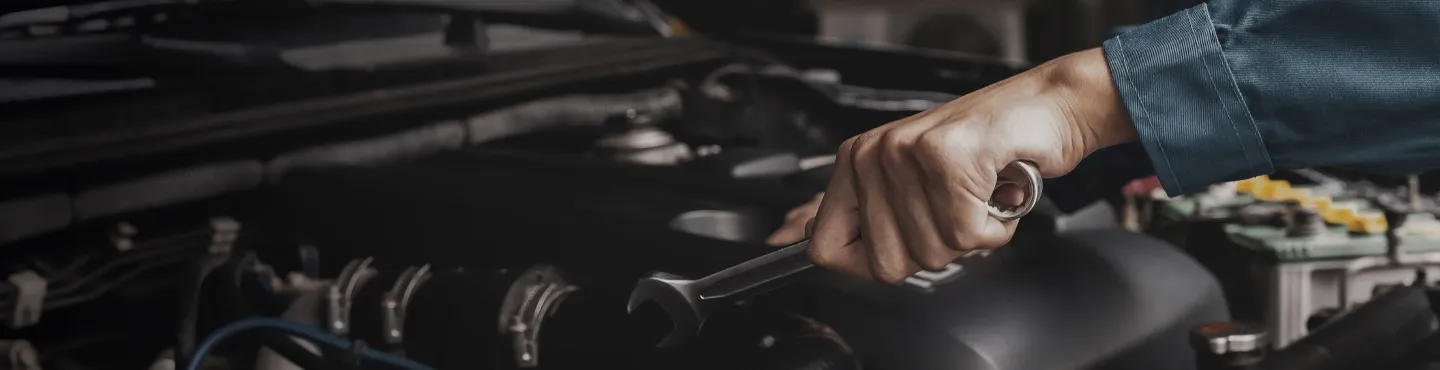
If your alternator is not charging the battery, your vehicle may start showing electrical problems almost immediately. The alternator is responsible for keeping the battery charged while the engine is running and supplying electricity to many of the car’s electrical components.
When the alternator stops working correctly, the battery becomes the only power source. Once the battery drains, the engine may stall and the vehicle might not restart.
Drivers often search for answers when they notice symptoms like:
alternator not charging battery
car alternator not charging
alternator will not charge battery
alternator good but battery not charging
new alternator not charging battery
An Alternator Not Charging Diagnosis helps determine whether the issue is caused by the alternator itself, a weak battery, damaged wiring, or another component in the vehicle’s charging system.
Understanding the cause early can help prevent unexpected breakdowns and expensive electrical repairs.
The alternator is part of the vehicle’s charging system, which produces electricity while the engine is running.
The charging system typically includes:
alternator
battery
voltage regulator
serpentine belt
electrical wiring and connectors
While the engine runs, the alternator converts mechanical energy from the engine into electrical energy. This power runs the vehicle’s electrical systems and keeps the battery charged.
A properly working alternator usually produces about 13.5 to 14.7 volts.
If the alternator stops charging, the battery gradually loses power until the vehicle can no longer operate.
Several warning signs may indicate the alternator is not charging properly.
One of the first signs of a charging problem is the battery warning light appearing on the dashboard.
This light does not always mean the battery is bad. In many cases, it signals a charging system problem involving the alternator.
If the alternator is not generating enough electricity, headlights may appear dim or flicker while driving.
This happens because the battery alone cannot maintain consistent voltage.
A failing charging system may cause various electrical issues, including:
power windows moving slowly
dashboard lights flickering
radio or infotainment system restarting
weak interior lighting
These symptoms often appear before the vehicle stops running completely.
If you recently installed a new battery but it keeps dying, the alternator may not be charging it properly.
Many drivers experience this situation and assume the battery is defective when the real problem is the charging system.
If the alternator stops charging entirely, the battery eventually runs out of power. When that happens, the engine may stall while driving.
This can lead to the loss of important systems such as power steering.
Alternators contain moving components that wear out over time.
Common internal failures include:
worn brushes
failing diodes
damaged bearings
Most alternators last between 80,000 and 150,000 miles.
The alternator is powered by the serpentine belt, which connects it to the engine.
If the belt becomes loose or breaks, the alternator cannot spin and will stop producing electricity.
The voltage regulator controls how much electrical output the alternator produces.
If it fails, the alternator may:
produce too little voltage
produce too much voltage
stop charging completely
Many vehicles have the voltage regulator integrated into the alternator itself.
Loose or damaged wiring can prevent the alternator from charging the battery.
Common electrical issues include:
corroded battery terminals
damaged alternator wiring
poor ground connections
These problems can make it seem like the alternator is bad even when it is still functional.
Sometimes the alternator is working correctly but the battery cannot hold a charge.
A failing battery can cause symptoms similar to alternator failure.
Testing both components helps determine the real cause.
A customer contacted Instant Car Fix after installing a new alternator and battery, but the charging system still was not working.
Inspection revealed a damaged ground wire preventing proper electrical flow.
After repairing the wiring, the alternator began charging normally.
A driver reported repeated battery failures even though the alternator tested good.
The technician discovered severe battery terminal corrosion that prevented proper charging.
Cleaning the connections restored normal charging.
A vehicle owner noticed their battery light appeared whenever the car idled.
Inspection revealed a loose serpentine belt causing the alternator to slip at low engine speeds.
Replacing the belt solved the problem.
Diagnosing a charging system problem usually involves several electrical tests.
Technicians typically check:
battery voltage
alternator output voltage
serpentine belt condition
alternator wiring connections
battery health
With the engine running, a healthy alternator should produce between 13.5 and 14.7 volts.
Lower readings usually indicate a charging problem.
Repair costs depend on the cause of the issue.
Typical repairs include:
Alternator replacement
$400 - $900
Serpentine belt replacement
$100 - $250
Battery replacement
$150 - $400
Electrical wiring repair
$150 - $500
Diagnosing the issue early can prevent larger electrical failures.
Charging system problems can leave drivers stranded without warning.
Instant Car Fix provides mobile mechanic services across the United States, allowing drivers to diagnose vehicle problems without visiting a repair shop.
Our technicians provide:
alternator diagnostics
battery testing
charging system inspections
electrical system troubleshooting
Mobile diagnostics help identify the cause quickly and restore reliable vehicle operation.
Diagnosing an alternator that is not charging usually involves checking battery voltage while the engine is running. If voltage remains near 12 volts instead of rising above 13 volts, the alternator may not be producing power.
Yes. Many O'Reilly Auto Parts locations offer free alternator testing, either on the vehicle or with the alternator removed.
Yes. Many AutoZone stores can test the charging system while the alternator remains installed in the vehicle.
Some vehicles have alternator or charging system fuses that protect the electrical system. If this fuse blows, the alternator may stop charging.
A blown fuse can be checked by inspecting it visually or testing it with a multimeter for electrical continuity.
Yes. If the battery is severely damaged or unable to accept a charge, it may appear as though the alternator is not charging correctly.
Common causes include:
worn alternator
broken serpentine belt
faulty voltage regulator
damaged wiring
weak battery
A charging system test helps identify the exact problem.
If your alternator is not charging the battery, the problem should be diagnosed as soon as possible.
Ignoring charging system problems can eventually lead to a stalled engine or a vehicle that will not start.
A professional Alternator Not Charging Diagnosis helps determine whether the issue involves the alternator, battery, wiring, or another electrical component so the proper repair can be made.
Get a real Alternator not charging diagnosis service from a mobile mechanic near you, no workshop visit needed.
No commitment • See pricing instantly

Excelent he was very professional and polite my car was running again within 10 minutes after he arrives


Came out snd fixed my parents car today. Very nice young man my dad said. He did a good job. Thank you.

Great service, everything was fine, they were nice and polite, will be using them for all my car needs

Great service! I would definitely use them again if I ever find I need a dead battery replaced with no way to get to a shop except having it towed in. Love that they come directly to your house!

Reggie was outstanding, quick, and personable. I’ll be sure to Instantaneous Car Fix the next time I’m stuck on the road.

Got his work done quickly and efficiently even though we had some hiccups he stuck through it till the end. Great mechanic great man.

Sergio was fantastic! He was very informative and explained everything to us during the diagnostic. Thank you, Sergio!

The mechanics were out promptly and completed the service efficiently! The entire experience was easy to manage.

The experience is well received mechanic was on time and waited for me and stayed until the fljob is completer

Excelent he was very professional and polite my car was running again within 10 minutes after he arrives
Came out snd fixed my parents car today. Very nice young man my dad said. He did a good job. Thank you.
Great service, everything was fine, they were nice and polite, will be using them for all my car needs
Great service! I would definitely use them again if I ever find I need a dead battery replaced with no way to get to a shop except having it towed in. Love that they come directly to your house!
Reggie was outstanding, quick, and personable. I’ll be sure to Instantaneous Car Fix the next time I’m stuck on the road.
Got his work done quickly and efficiently even though we had some hiccups he stuck through it till the end. Great mechanic great man.
Sergio was fantastic! He was very informative and explained everything to us during the diagnostic. Thank you, Sergio!
The mechanics were out promptly and completed the service efficiently! The entire experience was easy to manage.
The experience is well received mechanic was on time and waited for me and stayed until the fljob is completer