Financing all Credit Types - 
Financing all Credit Types -
Financing all Credit Types -
Financing all Credit Types -
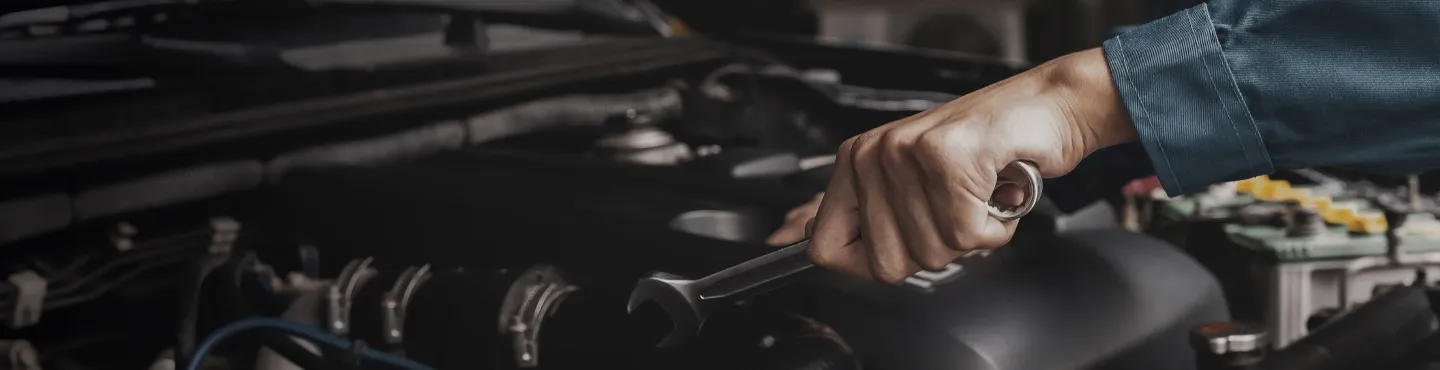
Many drivers first notice a rough idle while sitting at a red light or waiting in traffic. Instead of the engine running smoothly, the car begins to shake slightly. The steering wheel may vibrate, the dashboard might rattle, and the engine no longer sounds steady.
Drivers often describe the problem in simple terms:
“My car idles rough when stopped, but once I start driving it feels fine.”
Across repair shops throughout the United States, this is one of the most common engine complaints mechanics hear.
A rough idle rarely appears without a reason. In most cases, it develops gradually as engine components begin to wear or accumulate deposits. Modern engines are designed to run smoothly and efficiently, so even a small disruption in fuel delivery, airflow, or ignition timing can cause noticeable vibration.
Although a rough idle might seem like a minor annoyance at first, it is usually an early warning sign that something in the engine system needs attention.
Understanding why a car idles rough when stopped can help drivers recognize the warning signs early and avoid more serious mechanical problems later.
When an engine is operating normally, idle should feel smooth and stable.
Most vehicles idle between 600 and 1,000 RPM depending on engine design. At this speed, the engine management system carefully balances fuel delivery, airflow, and ignition timing.
When something disrupts this balance, the engine may begin running unevenly.
Drivers often notice symptoms such as:
vibration in the steering wheel
shaking felt through the seat
fluctuating RPM on the dashboard
uneven engine sound
slight vehicle movement while stopped
Because the engine is operating at its lowest speed during idle, even small inefficiencies become noticeable.
For an engine to run smoothly at idle, several systems must work together continuously:
Fuel must reach the engine in the correct amount
Airflow must remain steady
Spark plugs must ignite the air-fuel mixture properly
If any of these processes become slightly inconsistent, combustion inside the engine cylinders becomes uneven. When that happens, the engine may begin shaking or running roughly.
Mechanics usually focus on a few common areas when diagnosing this type of problem.
Fuel injectors deliver gasoline into the engine cylinders in carefully controlled amounts.
Over time, carbon deposits can form inside the injector nozzles. When injectors become partially clogged, fuel may spray unevenly into the cylinders.
This can cause several noticeable symptoms:
rough idle
engine hesitation
reduced fuel efficiency
occasional misfires
Sometimes a fuel injector cleaning treatment can remove minor buildup. In more severe cases, professional cleaning or replacement may be required.
Spark plugs are responsible for igniting the air-fuel mixture inside the engine cylinders.
As spark plugs age, the ignition spark becomes weaker. Weak ignition can cause incomplete combustion, which often leads to vibration at idle.
Replacing worn spark plugs is one of the most common solutions for rough idle problems.
The throttle body regulates how much air enters the engine.
Over time, carbon deposits can build up around the throttle plate. When airflow becomes restricted, the engine may struggle to maintain stable idle speed.
Cleaning the throttle body is a common maintenance procedure that often restores smooth idle performance.
Engines rely on a network of vacuum hoses to regulate airflow and fuel mixture.
If a hose becomes cracked or disconnected, extra air may enter the engine. This disrupts the air-fuel mixture and can cause rough idle.
Vacuum leaks are particularly common in older vehicles.
The mass airflow sensor (MAF) measures how much air enters the engine.
If this sensor becomes dirty or begins to fail, the engine computer may receive incorrect airflow information.
As a result, the engine may receive too much or too little fuel, which can lead to:
rough idle
hesitation during acceleration
poor fuel economy
Cleaning or replacing the sensor often resolves the issue.
Many drivers notice that the vehicle shakes while stopped but runs normally once the car begins moving.
This happens because engine conditions change when RPM increases.
At idle:
engine speed is very low
combustion cycles occur slowly
small inefficiencies become more noticeable
When the vehicle accelerates and engine speed increases, the combustion process becomes more stable. As a result, the vibration may temporarily disappear.
However, the underlying problem is still present and should be diagnosed.
Drivers often report rough idle in certain situations.
For example:
When the vehicle is stopped in gear, the engine must maintain idle speed while supporting the transmission load.
The A/C compressor places additional load on the engine, which may make idle problems more noticeable.
Some engines run unevenly during warm-up if sensors or fuel delivery components are not functioning correctly.
Recognizing when rough idle occurs can help mechanics narrow down the cause.
While rough idle can occur in any vehicle, certain models have experienced recurring idle-related issues.
Carbon buildup inside the throttle body or worn ignition components may cause idle vibration.
Some models have experienced rough idle due to mass airflow sensor contamination.
Carbon buildup inside the throttle body has occasionally caused unstable idle in certain engines.
Fuel injector deposits or aging ignition coils may sometimes lead to uneven idle.
Vacuum leaks and airflow sensor problems have been linked to rough idle conditions.
A driver called us for a 2017 Honda Accord complaining that the engine shook whenever the car stopped at traffic lights.
Inspection revealed heavy carbon buildup inside the throttle body. After cleaning the throttle body and resetting the idle system, the engine returned to smooth operation.
A 2015 Ford F-150 developed noticeable vibration while idling in park.
The mechanic discovered worn spark plugs that had exceeded their recommended service interval. After replacing the plugs, the vibration disappeared.
A 2016 Nissan Altima developed rough idle along with a check engine light.
Diagnostic testing revealed a partially clogged fuel injector. A professional injector cleaning service restored smooth engine performance.
Experienced mechanics often recommend several simple maintenance practices.
Replace spark plugs on schedule
Following manufacturer maintenance intervals prevents ignition problems.
Use quality fuel
Better fuel quality helps reduce injector deposits.
Clean the throttle body occasionally
Removing carbon buildup improves airflow.
Address warning lights early
Dashboard warnings often appear before major mechanical failures.
Drivers often describe rough idle in different ways. These symptoms may provide clues about the cause.
Engine shaking while stopped
Often caused by worn spark plugs or injector problems.
Rough idle but smooth while driving
Commonly related to airflow or vacuum leaks.
Rough idle with check engine light
May indicate misfires or sensor issues.
Diagnosing rough idle can be difficult because several engine components can produce similar symptoms.
Instant Car Fix helps drivers across the United States connect with experienced automotive professionals who specialize in diagnosing problems such as:
rough idle when stopped
engine misfires
fuel injector problems
airflow sensor failures
vacuum leaks
Accurate diagnostics help identify the exact cause so drivers avoid replacing unnecessary parts.
A rough idle usually means the engine is struggling to maintain a stable air-fuel mixture. Worn spark plugs, clogged injectors, or vacuum leaks are common causes.
Some problems affect the engine only at low RPM. Once the vehicle begins moving and engine speed increases, the problem may become less noticeable.
Fuel injector cleaner may help remove minor deposits, but heavily clogged injectors may require professional cleaning.
Common signs include rough idle, hesitation during acceleration, reduced fuel economy, and engine misfires.
If your car idles rough when stopped, it usually indicates that something in the engine’s fuel, ignition, or airflow system is not functioning correctly.
Although the vehicle may continue running normally while driving, rough idle should not be ignored. Problems such as worn spark plugs, clogged injectors, or airflow sensor issues can gradually worsen over time.
Having the vehicle diagnosed early can restore smooth engine operation and help prevent more expensive repairs later.
Get a real Car Idles Rough When Stopped Diagnosis service from a mobile mechanic near you, no workshop visit needed.
No commitment • See pricing instantly

Got his work done quickly and efficiently even though we had some hiccups he stuck through it till the end. Great mechanic great man.


Came out snd fixed my parents car today. Very nice young man my dad said. He did a good job. Thank you.

Great service! I would definitely use them again if I ever find I need a dead battery replaced with no way to get to a shop except having it towed in. Love that they come directly to your house!

The mechanics were out promptly and completed the service efficiently! The entire experience was easy to manage.

The experience is well received mechanic was on time and waited for me and stayed until the fljob is completer

Reggie was outstanding, quick, and personable. I’ll be sure to Instantaneous Car Fix the next time I’m stuck on the road.

Excelent he was very professional and polite my car was running again within 10 minutes after he arrives

Great service, everything was fine, they were nice and polite, will be using them for all my car needs

Sergio was fantastic! He was very informative and explained everything to us during the diagnostic. Thank you, Sergio!

Got his work done quickly and efficiently even though we had some hiccups he stuck through it till the end. Great mechanic great man.
Came out snd fixed my parents car today. Very nice young man my dad said. He did a good job. Thank you.
Great service! I would definitely use them again if I ever find I need a dead battery replaced with no way to get to a shop except having it towed in. Love that they come directly to your house!
The mechanics were out promptly and completed the service efficiently! The entire experience was easy to manage.
The experience is well received mechanic was on time and waited for me and stayed until the fljob is completer
Reggie was outstanding, quick, and personable. I’ll be sure to Instantaneous Car Fix the next time I’m stuck on the road.
Excelent he was very professional and polite my car was running again within 10 minutes after he arrives
Great service, everything was fine, they were nice and polite, will be using them for all my car needs
Sergio was fantastic! He was very informative and explained everything to us during the diagnostic. Thank you, Sergio!