Financing all Credit Types - 
Financing all Credit Types -
Financing all Credit Types -
Financing all Credit Types -
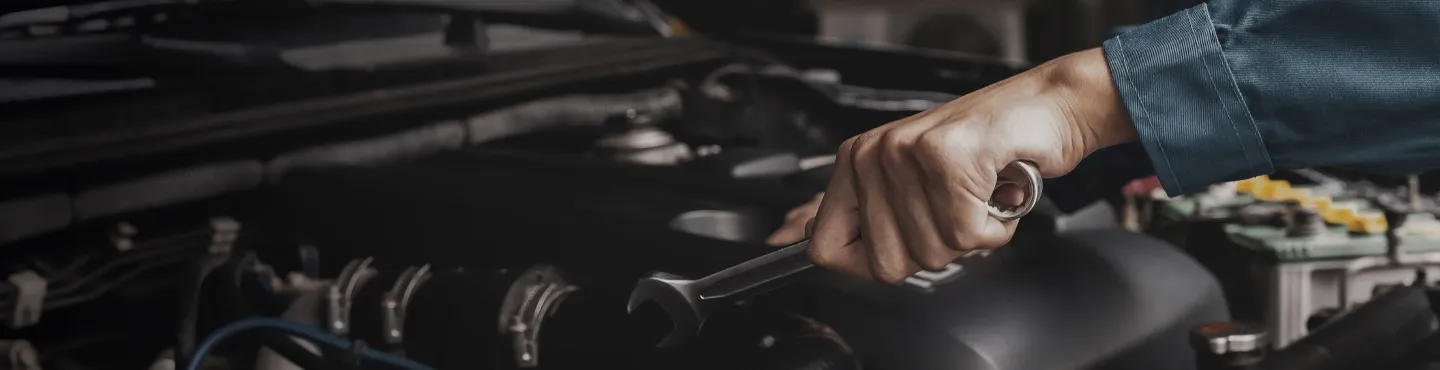
A compression test is a diagnostic procedure used to measure the pressure produced inside each cylinder of an engine during the compression stroke.
Every internal combustion engine relies on compression to ignite the air-fuel mixture properly. If compression levels drop, the engine will struggle to generate power and may develop serious mechanical problems.
Mechanics perform the test using a compression test gauge or compression tester tool. The device is threaded into the spark plug hole, and the engine is cranked while the tool measures the pressure produced inside the cylinder.
This simple but powerful test helps diagnose problems such as:
worn piston rings
leaking valves
blown head gasket
cylinder wall damage
carbon buildup inside the engine
Because it reveals the internal health of the engine, a compression test is often the first diagnostic step when an engine develops performance problems.
Many drivers ask:
What does a compression test tell you?
The test measures how well each cylinder seals during the compression stroke.
If the cylinders produce similar compression readings, the engine is likely healthy.
However, if one cylinder shows significantly lower compression than the others, it can indicate:
piston ring failure
valve damage
head gasket leaks
cylinder head cracks
Low compression directly reduces engine efficiency and performance.
Drivers often notice engine problems before realizing the issue involves compression.
Common symptoms include:
A cylinder with low compression cannot ignite the air-fuel mixture properly.
This causes misfires and may trigger the check engine light.
Uneven compression causes the engine to shake or idle irregularly.
Low compression reduces combustion pressure, which results in poor acceleration.
Engines with low compression may crank normally but struggle to start.
Worn piston rings may allow oil into the combustion chamber, producing blue smoke from the exhaust.
Many drivers search:
How do you perform a compression test?
Professional mechanics follow these steps.
The engine should reach normal operating temperature to ensure accurate readings.
Removing every spark plug allows the engine to crank freely and prevents resistance.
A compression tester for cars is threaded into the spark plug hole.
The engine is cranked for several seconds while the gauge measures cylinder pressure.
Healthy gasoline engines usually produce:
120 PSI to 200 PSI
Each cylinder should produce similar readings.
A common question drivers ask is:
What is a normal compression test result?
Most gasoline engines produce compression readings between:
120 PSI and 200 PSI
The key factor is consistency. All cylinders should be within 10-15% of each other.
Large differences between cylinders indicate potential engine damage.
Mechanics use two types of compression testing.
A dry test measures compression without adding oil to the cylinder.
This provides the baseline compression reading.
A wet compression test involves adding a small amount of oil to the cylinder.
If compression increases, the problem is likely worn piston rings.
If compression remains low, the issue may involve valves or head gasket failure.
Many drivers ask about the difference between a compression test and a leak down test.
A compression test measures pressure generated during engine cranking.
A leak-down test measures how quickly air escapes from the cylinder.
Leak-down tests help identify the exact source of compression loss.
The most common causes of compression loss include:
Piston rings seal the combustion chamber. When they wear out, pressure escapes into the crankcase.
Leaking intake or exhaust valves prevent the cylinder from sealing properly.
A damaged head gasket allows compression to leak between cylinders.
Drivers often confuse compression ratio with compression PSI readings.
Compression ratio refers to the engine’s design, while PSI measures cylinder pressure.
Examples:
10:1 compression ratio ≈ 150-180 PSI
11.5:1 compression ratio ≈ 180-210 PSI
12.5:1 compression ratio ≈ 210+ PSI
Higher compression engines typically require higher octane fuel.
An engine may technically run with 50 PSI compression, but performance will be extremely poor.
Symptoms may include:
rough idle
severe misfires
poor acceleration
difficulty starting
Engines with compression this low usually require major repairs.
Yes.
Removing all spark plugs allows the engine to crank faster and ensures accurate readings.
Leaving spark plugs installed can produce inaccurate results.
Two common signs include:
blue smoke from the exhaust
excessive oil consumption
Worn piston rings often produce low compression readings during testing.
Compression test readings vary depending on the engine design.
Typical readings range between 160-200 PSI.
Low compression may occur due to worn piston rings.
Normal readings typically range between 170-210 PSI.
Carbon buildup or valve wear can reduce compression.
Truck engines often produce 150-190 PSI.
Low compression may indicate piston ring wear or valve issues.
Turbocharged engines typically show 140-170 PSI.
Ringland failure may cause compression loss.
Direct injection engines often show 180-210 PSI.
Carbon buildup can affect compression levels.
A Honda Civic owner reported rough idle and poor acceleration.
A compression test revealed one cylinder producing only 85 PSI, while the others produced 175 PSI.
Inspection showed worn piston rings.
After repair, compression returned to normal and the vehicle ran smoothly.
A Chevrolet Silverado driver noticed overheating and white smoke.
A compression test revealed two adjacent cylinders with extremely low compression.
The issue was a blown head gasket.
Replacing the gasket restored engine performance.
Drivers often ask:
How much does a compression test cost?
Typical compression testing costs range from:
$100 to $350
The price depends on:
engine size
number of cylinders
labor rates in your region
Many repair shops include compression testing as part of a larger engine diagnostic service.
Engine problems can be difficult to diagnose without professional tools.
Instant Car Fix provides nationwide mobile mechanic services, allowing drivers to receive professional diagnostics without visiting a repair shop.
Our technicians perform:
compression testing
leak-down diagnostics
engine misfire diagnosis
engine performance inspections
Early diagnostics help drivers avoid expensive engine repairs.
A compression test is performed by installing a compression tester into the spark plug hole and cranking the engine to measure cylinder pressure.
Most compression tests cost $100-$350 depending on the vehicle.
Most gasoline engines produce 120-200 PSI.
The most common causes are:
worn piston rings
leaking valves
blown head gasket
Thicker oil may temporarily increase compression by helping seal worn rings, but it does not repair engine damage.
A compression test is one of the most effective diagnostic procedures for evaluating engine health.
By measuring the pressure inside each cylinder, mechanics can quickly determine whether an engine suffers from worn piston rings, valve leaks, or head gasket failure.
If your vehicle experiences rough idle, power loss, or hard starting, performing a compression test can reveal the root cause and help prevent major engine damage.
Get a real Compression Test service from a mobile mechanic near you, no workshop visit needed.
No commitment • See pricing instantly

Got his work done quickly and efficiently even though we had some hiccups he stuck through it till the end. Great mechanic great man.


Came out snd fixed my parents car today. Very nice young man my dad said. He did a good job. Thank you.

The experience is well received mechanic was on time and waited for me and stayed until the fljob is completer

Great service! I would definitely use them again if I ever find I need a dead battery replaced with no way to get to a shop except having it towed in. Love that they come directly to your house!

Great service, everything was fine, they were nice and polite, will be using them for all my car needs

Sergio was fantastic! He was very informative and explained everything to us during the diagnostic. Thank you, Sergio!

The mechanics were out promptly and completed the service efficiently! The entire experience was easy to manage.

Excelent he was very professional and polite my car was running again within 10 minutes after he arrives

Reggie was outstanding, quick, and personable. I’ll be sure to Instantaneous Car Fix the next time I’m stuck on the road.

Got his work done quickly and efficiently even though we had some hiccups he stuck through it till the end. Great mechanic great man.
Came out snd fixed my parents car today. Very nice young man my dad said. He did a good job. Thank you.
The experience is well received mechanic was on time and waited for me and stayed until the fljob is completer
Great service! I would definitely use them again if I ever find I need a dead battery replaced with no way to get to a shop except having it towed in. Love that they come directly to your house!
Great service, everything was fine, they were nice and polite, will be using them for all my car needs
Sergio was fantastic! He was very informative and explained everything to us during the diagnostic. Thank you, Sergio!
The mechanics were out promptly and completed the service efficiently! The entire experience was easy to manage.
Excelent he was very professional and polite my car was running again within 10 minutes after he arrives
Reggie was outstanding, quick, and personable. I’ll be sure to Instantaneous Car Fix the next time I’m stuck on the road.