Financing all Credit Types - 
Financing all Credit Types -
Financing all Credit Types -
Financing all Credit Types -
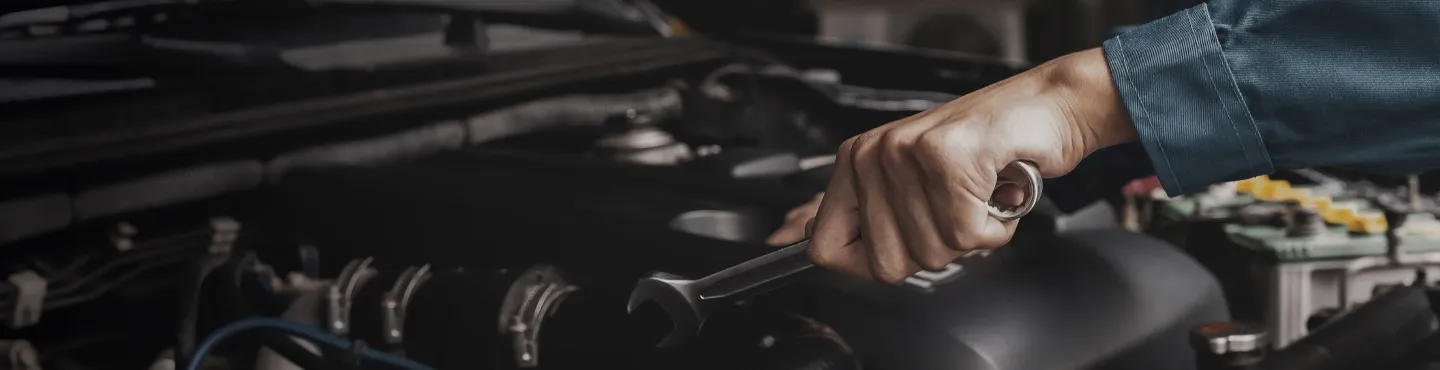
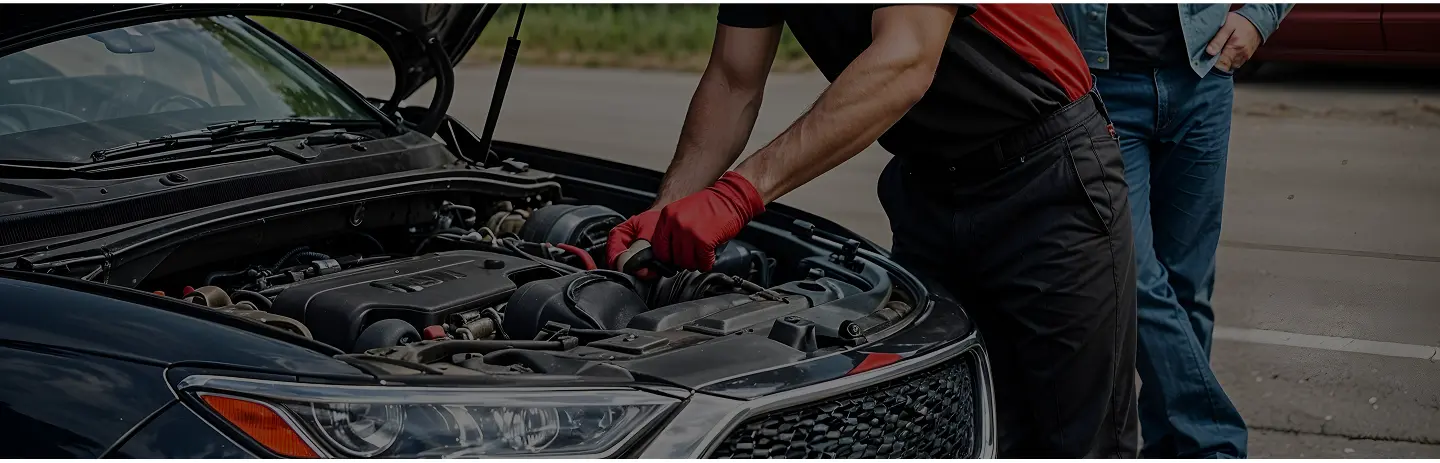
Extreme heat battery problems are far more common than many drivers realize. While winter often gets blamed for dead batteries, prolonged summer heat is usually what weakens the battery internally long before cold weather exposes the problem.
High temperatures accelerate chemical wear inside the battery, reduce reserve capacity, increase corrosion, and slowly damage internal components over time. In many cases, the battery still appears to function normally while internal deterioration quietly progresses for weeks or months.
That is why some vehicles seem to “suddenly” refuse to start after sitting in direct sun, heavy traffic, or prolonged summer heat. The failure often feels sudden to the driver, but the actual damage has usually been building gradually for a long time.
Modern vehicles are especially vulnerable because they place far more electrical demand on batteries than older cars did. Features like:
♦ large infotainment systems,
♦ heated seats,
♦ driver-assistance technology,
♦ cooling fans,
♦ power liftgates,
♦ and stop-start systems
all increase battery strain during hot weather.
Vehicles that spend long hours parked outside, used in commuter traffic, or driven in stop-and-go conditions often experience the fastest battery wear during summer months.
Heat affects a car battery in several ways simultaneously. In gas-powered vehicles, high temperatures accelerate internal chemical reactions, which shortens battery lifespan and reduces its ability to hold a charge over time.
Under-hood temperatures are often dramatically hotter than outside air temperatures. A vehicle sitting in traffic on a 95-degree day may expose the battery to temperatures far above what most drivers expect. Repeated exposure to those conditions slowly weakens the battery internally.
Heat gradually:
♦ evaporates electrolyte fluid,
♦ accelerates corrosion,
♦ weakens internal battery plates,
♦ and reduces cranking power.
The battery is often blamed when the real issue is actually the charging system. A weak alternator, slipping serpentine belt, corroded cable, or failing voltage regulator may struggle much more once summer temperatures rise.
This is especially common after repeated jump-start situations. Many drivers replace the battery first, only to discover the alternator was no longer charging properly in the first place.
Electric vehicles are different, but they are not immune to heat-related battery issues. EV thermal-management systems help protect battery packs, yet extreme temperatures still increase cooling demand, reduce charging efficiency, and can contribute to long-term degradation over time.
The main reason heat causes battery failure is simple:
battery chemistry ages faster in high temperatures.
Unlike sudden winter no-start situations, heat damage usually develops slowly. Every hot commute, long idle session, short trip, and extended parking period adds more thermal stress to the battery’s internal components.
Short-trip driving is especially hard on batteries during summer because the alternator often does not have enough time to fully recharge the battery between starts. Vehicles used for repeated errands, school pickups, rideshare driving, or stop-and-go commuting frequently experience this problem.
Heat also increases electrical demand throughout the vehicle. Air conditioning systems, cooling fans, electronics, and charging systems all work harder during hot weather, which places additional stress on the battery.
Cold weather often exposes a weak battery, but extreme heat is frequently what weakened the battery months earlier.
In very hot climates, some batteries may only last:
2-3 years
instead of the:
4-5 years
commonly seen in milder environments.
Heat-damaged batteries usually show warning signs before complete failure occurs. Some symptoms appear gradually while others become obvious only after the battery has already lost significant reserve capacity.
Drivers should watch for:
♦ slow engine cranking,
♦ clicking noises during startup,
♦ dim headlights,
♦ flickering dashboard lights,
♦ electronics resetting unexpectedly,
♦ swollen battery casing,
♦ repeated jump-starts,
♦ or intermittent no-start conditions.
A swollen battery case is especially concerning because it may indicate severe internal heat damage. Batteries showing physical swelling should be inspected promptly.
Many heat-damaged batteries still appear normal externally. That is one reason summer battery failures often catch drivers off guard.
Low voltage can also create misleading electrical symptoms. Modern vehicles rely heavily on stable voltage for engine computers, communication modules, sensors, and infotainment systems. When voltage becomes unstable, drivers may see warning lights or false diagnostic codes that make the problem appear more complicated than it actually is.
Some vehicles naturally experience more battery stress than others.
SUVs often carry heavier electrical loads because of larger infotainment systems, stronger climate-control demand, multiple charging ports, power accessories, and advanced safety systems. Vehicles parked outside daily in direct sun frequently experience accelerated battery wear.
Work trucks and fleet vehicles are also vulnerable because they commonly:
♦ idle for long periods,
♦ tow trailers,
♦ carry electrical equipment,
♦ and spend time in stop-and-go traffic.
That combination creates significant charging-system stress during summer months.
Older vehicles are another major category because aging alternators, worn cables, and corroded grounds become less efficient over time. Heat tends to expose those weaknesses much faster.
EVs and hybrids rely heavily on thermal-management systems to protect their battery packs. Those systems work well, but high temperatures still affect charging speed, energy efficiency, and long-term battery health. Many EV owners notice reduced summer range during extreme heat because cooling systems must work harder to protect the battery pack.
Professional mechanics usually recommend preventive battery testing before the hottest part of the year arrives. A battery that barely passes testing in spring may still fail once midsummer heat arrives.
Testing the battery early is one of the simplest ways to catch low reserve capacity before it creates a roadside problem. Mechanics also recommend inspecting the charging system at the same time because many battery complaints are actually caused by weak alternators or poor charging performance.
Cleaning corrosion from battery terminals is another simple but important maintenance step. Corrosion increases electrical resistance and can make starting more difficult during hot weather.
Vehicles that already show:
♦ slow cranking,
♦ intermittent electrical symptoms,
♦ or repeated jump-start situations
often benefit from proactive battery replacement before complete failure occurs.
Parking in shade whenever possible also helps reduce under-hood temperatures. Vehicles parked on hot asphalt in direct sunlight can experience much higher heat buildup than most drivers realize.
For EVs, repeated fast charging during extreme heat can increase thermal stress. Allowing the battery to cool between charging sessions may help reduce long-term wear.
Daily commuter vehicles often experience battery wear from repeated stop-and-go traffic combined with heavy air conditioning usage. Long commutes in summer traffic place continuous demand on both the battery and charging system.
Rideshare vehicles and delivery fleets experience even more strain because they spend long hours idling with electronics and climate systems running constantly.
College-town vehicles are another overlooked category. Cars that sit unused for extended periods and then make repeated short trips often develop battery problems much faster than drivers expect.
Many truck owners also experience heat-related battery wear after prolonged towing, hauling, or worksite idling. In these situations, the charging system is often under heavy load for extended periods.
Experienced mechanics often explain summer battery problems this way:
the battery is not simply “running out of power.” It is slowly wearing out internally from repeated thermal stress.
Every:
♦ hot commute,
♦ extended idle period,
♦ stop-and-go traffic cycle,
♦ and prolonged heat exposure
adds additional strain to the battery’s internal chemistry.
That is why many summer battery failures appear sudden even though the actual deterioration has been happening for months.
Mechanics also commonly see drivers replace the battery when the real issue is actually:
♦ poor cable connection,
♦ or charging-system fault.
A proper diagnostic inspection should evaluate:
♦ battery reserve capacity,
♦ charging-system output,
♦ cable condition,
♦ voltage stability,
♦ and starting-system performance together.
A commuter parks outside daily during a prolonged summer heat wave. After several weeks of high temperatures, the vehicle suddenly refuses to start after work. Battery testing later reveals significant internal wear caused by repeated heat exposure while sitting in direct sunlight.
A driver begins needing frequent jump-starts and assumes the battery is simply getting old. A charging-system inspection later reveals the alternator was no longer charging properly, leaving the battery undercharged for weeks and accelerating internal battery damage during hot weather.
A delivery truck used for long idle periods, stop-and-go traffic, and heavy daily driving begins cranking slowly during hot mornings. Testing eventually shows the battery suffered internal degradation from sustained heat exposure and constant electrical demand.
An EV owner notices reduced driving range and slower charging speeds during an extended heat wave. The battery remains healthy overall, but increased cooling demand and prolonged high temperatures reduce efficiency and increase overall energy usage.
Think of a car battery like a bottle of milk left inside a hot car. It may still look normal at first, but heat quietly changes what is happening internally until the problem eventually becomes obvious.
Car batteries behave the same way.
The damage often builds slowly during summer until one extra hot afternoon finally exposes the weakness.
That is why many drivers feel like the battery “suddenly died,” even though the real deterioration started weeks or months earlier.
Extreme heat battery problems affect drivers across the country, not just in desert climates. Vehicles in:
♦ Texas,
♦ Arizona,
♦ Florida,
♦ Nevada,
♦ California,
♦ the Southeast,
♦ and humid commuter-heavy regions
all experience accelerated battery wear during hot weather.
Even drivers outside traditionally “hot” states still face summer battery stress from:
♦ heavy traffic,
♦ long commutes,
♦ high humidity,
♦ direct sunlight,
♦ repeated short trips,
♦ and prolonged parking on hot pavement.
Urban commuter traffic, suburban school-run driving, rideshare usage, and work-truck operation can all create sustained under-hood heat that gradually weakens the battery over time.
Drivers nationwide often notice battery problems after:
♦ extended heat waves,
♦ repeated jump-starts,
♦ unusually slow cranking,
♦ or electrical instability during summer months.
Extreme heat battery problems are preventable, but only if drivers address early warning signs before complete failure occurs.
If your vehicle is:
♦ cranking slowly,
♦ requiring repeated jump-starts,
♦ showing electrical instability,
♦ or using an aging battery,
summer heat can quickly turn a small issue into a roadside breakdown.
Testing the battery early, inspecting the charging system, and replacing weak batteries before they completely fail is usually far less stressful than dealing with a no-start situation during extreme heat.
A weak battery rarely improves once internal heat damage begins.


Common signs include slow engine cranking, dim headlights, electrical glitches, dashboard battery warnings, and repeated dead battery issues. Extreme heat can evaporate battery fluid internally and damage the battery’s ability to hold a proper charge.
High temperatures accelerate internal chemical reactions inside the battery, which can cause fluid evaporation, corrosion, and permanent internal damage. In many climates, summer heat actually shortens battery life more than winter cold.
Yes. A weakened battery may appear normal until extreme heat pushes it beyond its charging capacity, causing sudden no-start conditions or complete electrical failure. Many batteries fail unexpectedly during heat waves or after long periods of hot weather exposure.
In extremely hot regions, many car batteries only last around 2-4 years due to constant heat exposure. Vehicles parked outdoors, driven frequently in traffic, or exposed to high under-hood temperatures may experience even shorter battery lifespan.
Yes. Even newer batteries can suffer reduced lifespan if exposed to excessive heat repeatedly. Poor charging systems, engine heat buildup, and prolonged outdoor parking can accelerate battery wear regardless of battery age.
Extreme cabin and engine temperatures increase electrical resistance and place additional strain on the battery during startup. If the battery is already weak, hot weather may expose underlying charging or battery problems much sooner.
Absolutely. A failing alternator may prevent the battery from charging properly, causing symptoms similar to heat-related battery failure. A mobile mechanic can test both the battery and charging system to determine the true cause.
It can become risky because excessive heat may cause the battery to fail suddenly while driving or prevent the car from restarting after being parked. Weak batteries also place additional strain on the alternator and overall charging system.
Parking in shaded areas, avoiding excessive short trips, keeping battery terminals clean, and having the charging system tested regularly can help extend battery life. Replacing aging batteries before peak summer temperatures also reduces the risk of sudden breakdowns.
Yes. A mobile mechanic near me can test the battery, alternator, and charging system onsite and replace the battery at your home, office, or roadside location without requiring a tow to a repair shop.
Extreme heat can weaken your battery long before it completely fails. If your vehicle has been cranking slowly, needing repeated jump-starts, or showing electrical problems during hot weather, a battery and charging-system inspection can help identify the issue before you end up stranded. Instant Car Fix provides nationwide mobile battery diagnostics and replacement services at your home, office, or roadside location.

Jamie arrived on time, diagnosed my car’s issue and provided a quote for the repair. I will definitely use again if needed.


My Jaguar battery was dead and I had no way of accessing it since it is located in the trunk….and I could not open the trunk since the battery was dead😵💫. Contacted Instant Car Fix and a mechanic was dispatched with a new battery. He was great! Got the trunk opened by jumping a terminal under the hood. Installed the new battery and the car was good to go! Great service by an experienced mechanic! Thanks!

Had Caleb do a pre-purchase inspection on a Jeep I was buying from Missouri, and the guy was great. Really thorough — found stuff I would’ve missed, told me straight what was worth fixing and what wasn’t. No runaround, answered all my questions fast. If you’re buying a used rig, don’t skip this step. I highly recommend.

Zach was great is work with. Showed up in the expected time frame, got the work done quickly as well.

Diego has great customer service. He was very fast and professional. He also gave me a few tips for any other problems

Lovely service, very fast, the car was fully fixed, battery change was super fast and oil change. Very grateful!

Zack was very professional and did a great job fixing my car during the estimated time he provided. We would definitely use this service again.

Great customer service! Real person answered every phone call right away and was able to assist quickly. I got the pre-purchase inspection I needed. Detailed notes, multiple photos. Very satisfied. A+

J e a n was very helpful to me I'm hoping my problem has been resolved very patient and very professional I recommend them to other people

Jamie arrived on time, diagnosed my car’s issue and provided a quote for the repair. I will definitely use again if needed.
My Jaguar battery was dead and I had no way of accessing it since it is located in the trunk….and I could not open the trunk since the battery was dead😵💫. Contacted Instant Car Fix and a mechanic was dispatched with a new battery. He was great! Got the trunk opened by jumping a terminal under the hood. Installed the new battery and the car was good to go! Great service by an experienced mechanic! Thanks!
Had Caleb do a pre-purchase inspection on a Jeep I was buying from Missouri, and the guy was great. Really thorough — found stuff I would’ve missed, told me straight what was worth fixing and what wasn’t. No runaround, answered all my questions fast. If you’re buying a used rig, don’t skip this step. I highly recommend.
Zach was great is work with. Showed up in the expected time frame, got the work done quickly as well.
Diego has great customer service. He was very fast and professional. He also gave me a few tips for any other problems
Lovely service, very fast, the car was fully fixed, battery change was super fast and oil change. Very grateful!
Zack was very professional and did a great job fixing my car during the estimated time he provided. We would definitely use this service again.
Great customer service! Real person answered every phone call right away and was able to assist quickly. I got the pre-purchase inspection I needed. Detailed notes, multiple photos. Very satisfied. A+
J e a n was very helpful to me I'm hoping my problem has been resolved very patient and very professional I recommend them to other people