Financing all Credit Types - 
Financing all Credit Types -
Financing all Credit Types -
Financing all Credit Types -
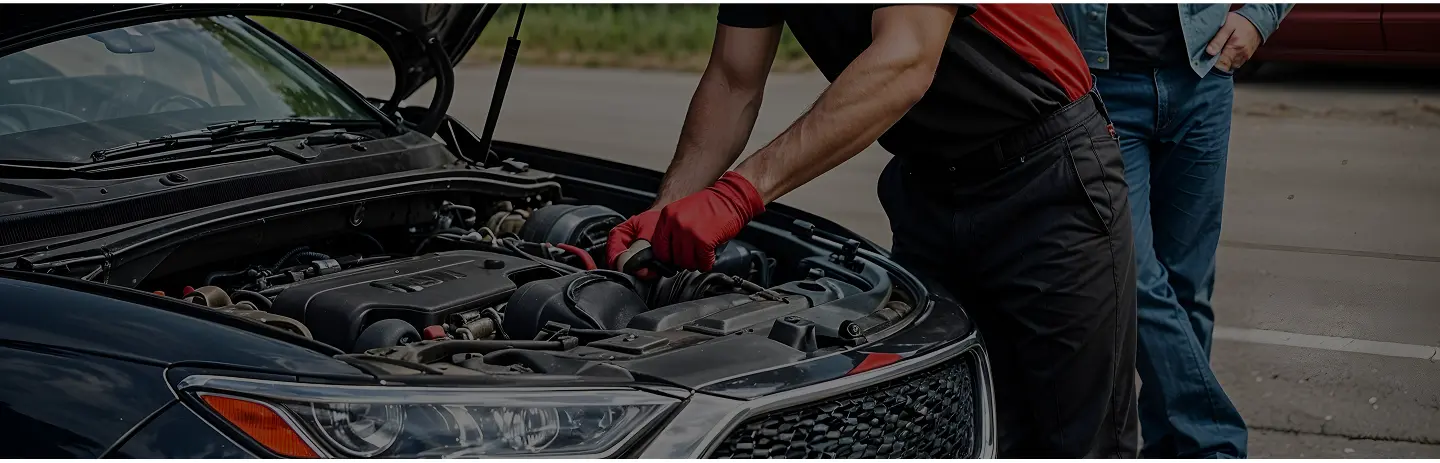
One of the first signs something feels wrong while driving is usually the RPM gauge suddenly moving when it shouldn’t.
Maybe the RPMs surge while accelerating. Maybe they bounce up and down at highway speed. Maybe the engine feels like it’s hunting for gears or briefly losing power before recovering. Some drivers notice the tachometer fluctuating at idle, while others only experience it during acceleration or after the engine warms up.
RPM fluctuation is one of the most misunderstood drivability problems because the symptom itself can come from multiple completely different systems:
♦ fuel delivery
♦ ignition
♦ airflow
♦ transmission
♦ vacuum leaks
♦ throttle control
♦ sensors
♦ charging system problems
At Instant Car Fix, fluctuating RPM complaints are extremely common, especially on higher-mileage vehicles. This guide explains what RPM fluctuation actually means, why it happens, the most common causes, which vehicles are most affected, and how professional diagnosis identifies the real issue before unnecessary parts get replaced.
If your RPMs fluctuate while driving, the most common causes are a dirty MAF sensor, vacuum leak, failing spark plugs or ignition coils, fuel delivery problems, transmission slipping, or torque converter shudder. In some vehicles, throttle body carbon buildup or a failing sensor can also cause RPMs to surge, drop, or hunt unexpectedly.
Ignoring RPM fluctuation can eventually lead to:
♦ poor fuel economy
♦ stalling
♦ transmission damage
♦ catalytic converter failure
♦ worsening drivability problems
RPM stands for:
Revolutions Per Minute.
The tachometer measures how quickly the engine crankshaft is spinning.
Under normal driving conditions:
♦ RPM should rise smoothly during acceleration
♦ stabilize at cruising speed
♦ drop predictably when slowing down
When RPMs fluctuate unexpectedly, it means the engine or transmission is struggling to maintain stable operation.
Modern vehicles constantly adjust:
♦ fuel delivery
♦ airflow
♦ ignition timing
♦ transmission behavior
♦ throttle response
When one of those systems becomes unstable, RPM behavior changes immediately.
That’s why RPM fluctuation is often one of the earliest warning signs of developing drivability problems.
If RPM fluctuation mainly happens while parked or stopped, the issue is usually related to airflow management or vacuum control.
Common causes include:
♦ vacuum leak
♦ faulty idle air control valve
♦ carbon buildup
Idle instability is especially common on:
♦ older Hondas
♦ Nissan Altimas
♦ Ford EcoBoost engines
♦ BMW turbocharged vehicles
RPM surging or hesitation during acceleration usually points toward:
♦ fuel delivery problems
♦ ignition issues
♦ airflow measurement errors
Weak fuel pumps, clogged injectors, failing ignition coils, worn spark plugs, or MAF sensor problems are extremely common causes.
If your vehicle also shakes or hesitates while accelerating, read:
Why your engine misfires under acceleration
If RPMs rise and fall at steady highway speeds, especially between 40-60 mph, transmission-related issues become much more likely.
Common causes:
♦ torque converter shudder
♦ slipping transmission clutches
♦ transmission solenoid problems
♦ fuel delivery instability
Many drivers describe torque converter shudder as feeling like:
driving over rumble strips.
A slight RPM drop when the AC compressor engages is normal.
However, severe RPM fluctuation with the AC on usually points toward:
dirty throttle body
weak idle compensation
failing alternator
idle air control problems
electrical instability
If your battery warning light recently appeared, read:
Battery Light Came On While Driving
If RPM surging starts after refueling, the EVAP purge valve may be stuck open.
This allows excess fuel vapor into the intake system and disrupts the air-fuel mixture.
You may also notice:
♦ hard starting
♦ rough idle
♦ stalling after fueling
Read:
Car Wont Start After Getting Gas
The MAF sensor measures incoming airflow entering the engine.
If the sensor becomes contaminated:
♦ fuel delivery becomes inaccurate
♦ throttle response changes
♦ RPMs surge unpredictably
Symptoms include:
♦ hesitation
♦ unstable acceleration
♦ rough idle
♦ poor fuel economy
A dirty MAF sensor can also cause hesitation during acceleration.
Read:
Why Your Engine Misfires Under Acceleration
Typical repair cost:
$120-$350
Vacuum leaks introduce unmetered air into the engine.
That extra air creates:
♦ unstable fuel trims
♦ lean combustion
♦ RPM hunting
♦ rough idle
Vacuum leaks can also create:
♦ stalling
♦ fluctuating RPM after startup
♦ hesitation under load
Common leak locations:
♦ intake manifold gaskets
♦ vacuum hoses
♦ PCV hoses
♦ throttle body gaskets
Typical repair cost:
$50-$700
depending on leak location.
Weak ignition components often cause RPM instability during acceleration.
As spark plugs wear:
♦ ignition voltage demand rises
♦ combustion weakens
♦ cylinders misfire intermittently
Failing ignition coils are especially common once engines warm up.
This often overlaps with:
Why Your Car Dies When Hot But Restarts Later
Typical repair cost:
$150-$600
Weak fuel pumps commonly create:
♦ RPM fluctuation under load
♦ hesitation during acceleration
♦ sputtering at highway speed
At idle, fuel demand is low. Under acceleration, the pump struggles to maintain pressure.
You can also read:
Signs Of A Bad Fuel Pump
Typical repair cost:
$400-$900
Carbon buildup around the throttle plate disrupts airflow control.
This commonly causes:
♦ fluctuating idle
♦ RPM surging
♦ hesitation
♦ rough startup
Electronic throttle bodies are especially sensitive to carbon accumulation.
Typical repair cost:
$120-$400
One of the most misdiagnosed RPM fluctuation problems is torque converter shudder.
Instead of an engine issue, the transmission’s torque converter clutch slips inconsistently.
This creates:
♦ RPM bouncing
♦ vibration
♦ highway-speed surging
♦ intermittent shuddering
Very common on:
♦ GM trucks
♦ Ford F-150s
♦ Honda automatic transmissions
♦ Nissan CVTs
Typical repair cost:
$300-$3,500+
depending on severity.
Modern engines depend heavily on stable electrical voltage.
When alternator output fluctuates:
♦ sensors behave unpredictably
♦ throttle response changes
♦ ignition timing becomes unstable
♦ RPMs fluctuate
If your battery warning light recently came on, read:
Battery Light Came On While Driving
Typical repair cost:
$250-$800
Direct injection engines commonly develop carbon buildup that disrupts airflow.
Symptoms include:
♦ rough idle
♦ fluctuating RPM
♦ hesitation
♦ acceleration surging
Very common on:
♦ EcoBoost engines
♦ VW/Audi turbo engines
♦ BMW turbocharged vehicles
Typical repair cost:
$500-$1,000
Oxygen sensors help regulate air-fuel mixture corrections.
When O2 sensors respond slowly or inaccurately:
♦ fuel trims fluctuate
♦ combustion becomes unstable
♦ RPM behavior changes
Symptoms often include:
♦ poor fuel economy
♦ hesitation
♦ check engine light
♦ rough idle
Typical repair cost:
$200-$600
Sometimes RPM fluctuation is not an engine problem at all.
If RPMs rise without vehicle speed increasing proportionally, the transmission may be slipping.
Common symptoms:
♦ delayed shifting
♦ harsh shifting
♦ RPM flare during acceleration
♦ burning smell
This is especially serious because continued driving can permanently damage the transmission.
Very prone to:
♦ carbon buildup
♦ ignition coil failure
♦ MAF contamination
Commonly develop:
♦ idle air control problems
♦ transmission shudder
♦ throttle body buildup
Known for:
♦ vacuum leaks
♦ intake buildup
♦ sensor instability
Frequently experience:
♦ torque converter shudder
♦ AFM-related drivability issues
♦ transmission RPM flare
Often develop:
♦ CVT-related RPM fluctuation
♦ throttle body contamination
♦ MAF sensor issues
One customer with a Chevrolet Silverado complained that RPMs fluctuated at highway speeds while lightly accelerating uphill. Another shop suspected ignition coils. After testing, we discovered severe torque converter shudder inside the transmission. A fluid service temporarily improved it, but the converter eventually required replacement.
Another customer with a BMW 335i experienced unstable RPMs and random hesitation at idle. Smoke testing revealed a cracked vacuum line hidden beneath the intake manifold. Once repaired, the idle stabilized immediately.
We also diagnosed a Ford Escape EcoBoost with fluctuating RPMs during acceleration. The actual issue turned out to be heavy carbon buildup on the intake valves restricting airflow under load.
Many drivers replace:
♦ spark plugs
♦ ignition coils
♦ throttle bodies
♦ MAF sensors
without ever properly diagnosing the root cause.
RPM fluctuation is difficult because:
multiple systems can create identical symptoms.
For example:
♦ transmission slipping
♦ fuel delivery issues
♦ ignition misfires
♦ airflow problems
♦ vacuum leaks
can all feel surprisingly similar from the driver’s seat.
That’s why professional diagnosis matters.
Proper diagnosis usually involves:
♦ live scan tool data
♦ fuel trim analysis
♦ transmission data monitoring
♦ smoke testing
♦ fuel pressure testing
♦ ignition analysis
♦ throttle response monitoring
At Instant Car Fix, our mobile mechanics perform these tests directly at your location without requiring a tow truck or repair shop visit.
If your RPMs fluctuate while driving, surge at idle, or jump unexpectedly during acceleration, the problem could involve:
♦ the fuel system
♦ ignition system
♦ transmission
♦ vacuum leaks
♦ airflow sensors
♦ electrical instability
At Instant Car Fix, our mobile mechanics diagnose:
♦ fuel delivery problems
♦ ignition misfires
♦ throttle body issues
♦ transmission shudder
♦ vacuum leaks
♦ MAF sensor problems
♦ charging system faults
directly at your location.
We perform:
♦ live data diagnostics
♦ fuel pressure testing
♦ smoke testing
♦ transmission analysis
♦ ignition system testing
♦ drivability diagnostics
without requiring a tow truck or repair shop visit.
If you're searching for a mechanic near me because your RPMs are surging, fluctuating, or behaving unpredictably, Instant Car Fix can diagnose the issue on-site and help prevent larger engine or transmission damage.


RPM fluctuation at steady speeds is usually caused by a transmission issue, vacuum leak, dirty MAF sensor, or fuel delivery problem. Torque converter shudder is especially common between 40–60 mph in automatic vehicles.
RPM fluctuation at idle is commonly caused by a dirty throttle body, vacuum leak, failing idle air control valve, or contaminated MAF sensor. Carbon buildup and fuel trim problems are also common causes.
Mild RPM fluctuation may not create immediate damage, but severe surging, hesitation, or near-stalling should be diagnosed quickly. Continued driving can eventually damage the transmission, catalytic converter, or ignition system.
A slight RPM drop when the AC turns on is normal because the compressor adds engine load. Large RPM fluctuations usually indicate throttle body problems, weak idle compensation, or electrical system issues.
RPMs jumping during acceleration often point to slipping transmission components, weak fuel delivery, ignition misfires, or throttle sensor problems. Automatic transmission slipping is one of the most common causes.
Yes. Worn spark plugs create incomplete combustion and misfires, which cause RPM instability, rough idle, and hesitation during acceleration.
Some RPM increase after a cold start is normal while the engine warms up. Severe fluctuation usually points to vacuum leaks, throttle body buildup, coolant sensor issues, or idle air control problems.
Yes. A clogged fuel filter can restrict fuel flow and cause lean conditions, hesitation, RPM surging, and poor acceleration under load.
A severely clogged catalytic converter can restrict exhaust flow and create RPM fluctuation, especially during acceleration or highway driving. Most vehicles will also feel sluggish or underpowered.
Yes, it can be. Many early-stage problems especially vacuum leaks, MAF contamination, and torque converter shudder often appear before a Check Engine Light turns on.
If your RPMs fluctuate while driving, surge at idle, or jump unexpectedly during acceleration, the issue could involve the fuel system, ignition system, transmission, vacuum leaks, airflow sensors, or electrical problems. Instant Car Fix mobile mechanics perform live diagnostics, fuel pressure testing, throttle body inspection, transmission analysis, and drivability testing directly at your location to identify the exact cause before unnecessary parts get replaced.

Lovely service, very fast, the car was fully fixed, battery change was super fast and oil change. Very grateful!


My Jaguar battery was dead and I had no way of accessing it since it is located in the trunk….and I could not open the trunk since the battery was dead😵💫. Contacted Instant Car Fix and a mechanic was dispatched with a new battery. He was great! Got the trunk opened by jumping a terminal under the hood. Installed the new battery and the car was good to go! Great service by an experienced mechanic! Thanks!

Zach was great is work with. Showed up in the expected time frame, got the work done quickly as well.

Had Caleb do a pre-purchase inspection on a Jeep I was buying from Missouri, and the guy was great. Really thorough — found stuff I would’ve missed, told me straight what was worth fixing and what wasn’t. No runaround, answered all my questions fast. If you’re buying a used rig, don’t skip this step. I highly recommend.

Zack was very professional and did a great job fixing my car during the estimated time he provided. We would definitely use this service again.

J e a n was very helpful to me I'm hoping my problem has been resolved very patient and very professional I recommend them to other people

Diego has great customer service. He was very fast and professional. He also gave me a few tips for any other problems

Jamie arrived on time, diagnosed my car’s issue and provided a quote for the repair. I will definitely use again if needed.

Great customer service! Real person answered every phone call right away and was able to assist quickly. I got the pre-purchase inspection I needed. Detailed notes, multiple photos. Very satisfied. A+

Lovely service, very fast, the car was fully fixed, battery change was super fast and oil change. Very grateful!
My Jaguar battery was dead and I had no way of accessing it since it is located in the trunk….and I could not open the trunk since the battery was dead😵💫. Contacted Instant Car Fix and a mechanic was dispatched with a new battery. He was great! Got the trunk opened by jumping a terminal under the hood. Installed the new battery and the car was good to go! Great service by an experienced mechanic! Thanks!
Zach was great is work with. Showed up in the expected time frame, got the work done quickly as well.
Had Caleb do a pre-purchase inspection on a Jeep I was buying from Missouri, and the guy was great. Really thorough — found stuff I would’ve missed, told me straight what was worth fixing and what wasn’t. No runaround, answered all my questions fast. If you’re buying a used rig, don’t skip this step. I highly recommend.
Zack was very professional and did a great job fixing my car during the estimated time he provided. We would definitely use this service again.
J e a n was very helpful to me I'm hoping my problem has been resolved very patient and very professional I recommend them to other people
Diego has great customer service. He was very fast and professional. He also gave me a few tips for any other problems
Jamie arrived on time, diagnosed my car’s issue and provided a quote for the repair. I will definitely use again if needed.
Great customer service! Real person answered every phone call right away and was able to assist quickly. I got the pre-purchase inspection I needed. Detailed notes, multiple photos. Very satisfied. A+