Financing all Credit Types - 
Financing all Credit Types -
Financing all Credit Types -
Financing all Credit Types -
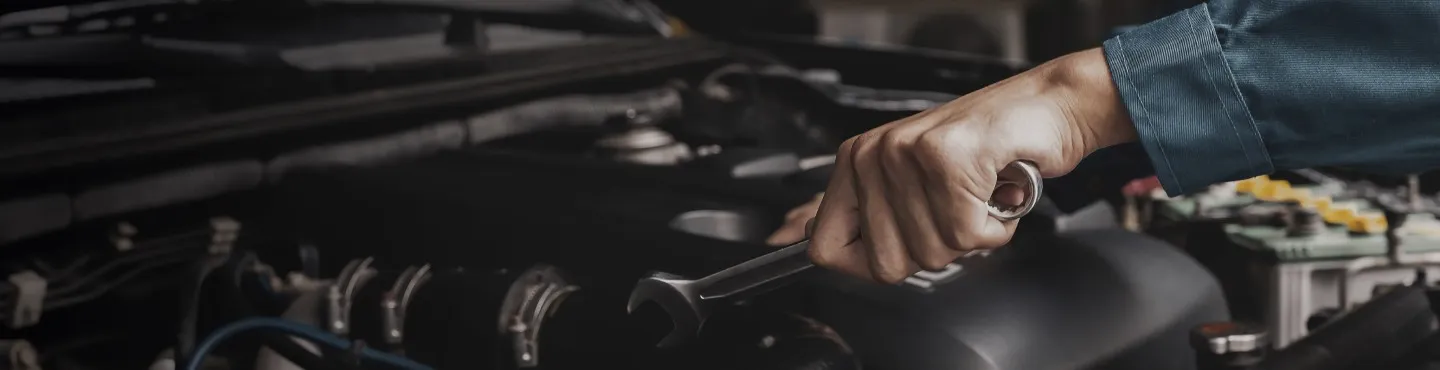
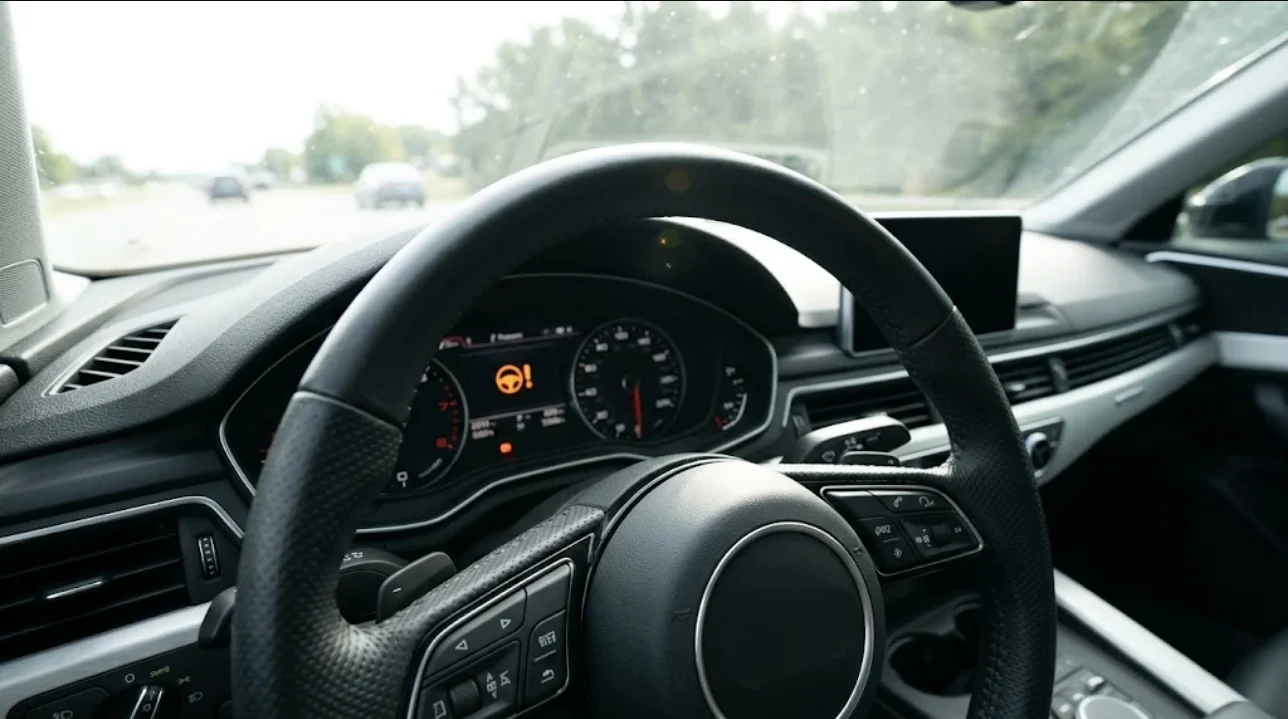
Power steering is one of those systems you only notice when it stops helping. A steering wheel that suddenly takes real effort to turn - especially at parking speeds - can mean the assist has dropped or disappeared. The cause can be as simple as low fluid or as involved as a failing pump or steering rack, and the right next step depends on which system your car has. Here is what usually causes heavy steering, what you can check yourself, how a mechanic narrows it down, and when it becomes a stop-driving problem.
Vehicles use one of a few kinds of power steering. Hydraulic systems use a power steering pump pushing power steering fluid through hoses and the steering gear - their failures involve fluid, pumps, hoses, and, on belt-driven pumps, belts. Electric power steering uses a motor on the column or rack instead - no fluid at all - and its failures are electrical: a motor, a sensor, a control module, or wiring. Between the two sit electro-hydraulic systems, which use an electric motor to drive a hydraulic pump: these still require fluid, but there is no belt-driven pump.
The first diagnostic question is which system your car has, because the failure patterns differ. Your owner's manual says which one you have.
On hydraulic systems, the usual suspects are low fluid from a leak (a hose, the pump, or the rack), a worn pump that no longer builds pressure, or - where the pump is belt-driven - a slipping serpentine belt or weak tensioner that lets the pump slow down, which often comes with a squeal. On electric systems, it is typically a fault that disables the assist, sometimes with a steering warning light on the dash, or a failing torque sensor or motor.
On any of these systems, the problem can also be in the steering gear or linkage itself - a binding rack or a worn joint adds effort that no pump can mask. The cause can be as basic as a severely underinflated front tire, which makes any steering feel heavy. That range is why diagnosis starts with the simple checks.
A few checks need no disassembly:
Do not keep driving a hydraulic car with an empty reservoir to "test" it; a pump run dry can be damaged in a short distance.
The inspection starts with tire pressures and, on hydraulic cars, the fluid level and condition - dark or burnt fluid tells its own story, and a low level sends the mechanic looking for the leak, not just the top-up bottle. Where the pump is belt-driven, the belt and tensioner get checked. On electric systems, the mechanic checks the battery, charging system, wiring, and connections before suspecting a failed motor or sensor - low voltage can limit steering assistance. A fault-code scan follows.
A whining or groaning noise that tracks with steering input points toward the pump. Assist that comes and goes, or dies only at low speed, narrows it differently again. Where the steering gear or linkage is suspect, the front end is checked with the wheels off the ground so each joint can be felt for binding. The failed part gets named before anything is replaced - a new pump on a car whose real problem is a kinked hose is money spent on the wrong part.
If only the power assistance fails, steering may still work but require much more effort. Binding, locking, or unpredictable steering needs immediate attention.
If the steering gets heavy without warning, especially with a warning light, a significant fluid leak, or any new noise or smell, stop safely and arrange assistance rather than muscling the car home. A gradual increase in effort over weeks still deserves attention. Arrange an inspection promptly - a leaking hose or a dying pump can take the assist out completely.


A sudden loss of power assist can be the cause: on hydraulic systems that can be a failed pump, a burst hose, or a belt that slipped off; on electric systems a fault that disables the assist motor. A sudden change can also accompany a serious leak, so treat it as a stop-safely-and-get-it-checked situation.
Yes. Hydraulic assist depends on fluid pressure, so a low level from a leak lets the assist fade - often heavy at parking speeds first. Note that many vehicles have electric power steering with no fluid at all, so a mechanic confirms which system the car has before anything else.
If only the power assistance fails, steering may still work but require much more effort - and the change can arrive without warning, which is risky in an emergency maneuver. If the change was sudden, came with a warning light or leak, or keeps getting worse, stop safely and arrange assistance. A mild, gradual increase deserves a prompt inspection rather than continued daily driving.
Parking-speed turns demand the most assist, so a weakening pump, low fluid, or a slipping belt shows up there first while highway steering still feels normal. On electric systems a fading motor or sensor can produce the same pattern. That pattern is worth an inspection before the assist drops further.
No - electric power steering uses a motor and sensors, with no hydraulic fluid, pump, or hoses. Electro-hydraulic systems are the exception: an electric motor drives a hydraulic pump, and those still require fluid. If your car has electric assist, heavy steering points to an electrical or mechanical fault instead of a fluid issue.
Book an Instant Car Fix mechanic to come to you. We service most areas nationwide.

My mobile mechanic Donny was fantastic. He arrived promptly, diagnosed the issue right away, and replaced my battery quickly and efficiently. He’s extremely knowledgeable and clearly an expert in his field. I really appreciated his professionalism and the smooth experience from start to finish. I would gladly use his services again and highly recommend him to anyone needing reliable mobile auto repair.


Needed a subframe cradle replaced for a 2014 Dodge Charger 5.7. Left the mechanic this morning. I had to go to work. Got back from work. Checked on my vehicle turned it on, and no more engine vibration inside my cabin. Job well done. Thank you.

Jelson monterrosa and Adrian gee Did a fantastic job work , quick and efficient , and i'm very happy with the work they did to my vehicle definitely would call them again They were absolutely the best

Used this site first time and got good results,mechanic came on time ,did all testing and diagnostic,found out our battery not working right.We happy with service.

Mr. Jimmy is great and very good with his work. I would recommend him again to do the work. Thank you!

Sergio fixed the car really fast and it drives and sounds much better than before. I would recommend having him fix any car again

Dustin did a fantastic job getting my broken bolt out fast and efficiently. I can now continue my project. Thank you!

Somewhat hesitant as it was a website I had never used before, but the mechanic came out. Performed the service, quick and efficient and good to go.

Although there was some confusion about our appointment window. I found customer service to be extremely helpful. My only suggestion would be that there is the opportunity to chat with the actual mechanic. I was arranging service for my father, who’s out of town and had some memory issues, so it would’ve made it much easier to coordinate and understand if I could chat with the mechanic.

My mobile mechanic Donny was fantastic. He arrived promptly, diagnosed the issue right away, and replaced my battery quickly and efficiently. He’s extremely knowledgeable and clearly an expert in his field. I really appreciated his professionalism and the smooth experience from start to finish. I would gladly use his services again and highly recommend him to anyone needing reliable mobile auto repair.
Needed a subframe cradle replaced for a 2014 Dodge Charger 5.7. Left the mechanic this morning. I had to go to work. Got back from work. Checked on my vehicle turned it on, and no more engine vibration inside my cabin. Job well done. Thank you.
Jelson monterrosa and Adrian gee Did a fantastic job work , quick and efficient , and i'm very happy with the work they did to my vehicle definitely would call them again They were absolutely the best
Used this site first time and got good results,mechanic came on time ,did all testing and diagnostic,found out our battery not working right.We happy with service.
Mr. Jimmy is great and very good with his work. I would recommend him again to do the work. Thank you!
Sergio fixed the car really fast and it drives and sounds much better than before. I would recommend having him fix any car again
Dustin did a fantastic job getting my broken bolt out fast and efficiently. I can now continue my project. Thank you!
Somewhat hesitant as it was a website I had never used before, but the mechanic came out. Performed the service, quick and efficient and good to go.
Although there was some confusion about our appointment window. I found customer service to be extremely helpful. My only suggestion would be that there is the opportunity to chat with the actual mechanic. I was arranging service for my father, who’s out of town and had some memory issues, so it would’ve made it much easier to coordinate and understand if I could chat with the mechanic.