Financing all Credit Types - 
Financing all Credit Types -
Financing all Credit Types -
Financing all Credit Types -
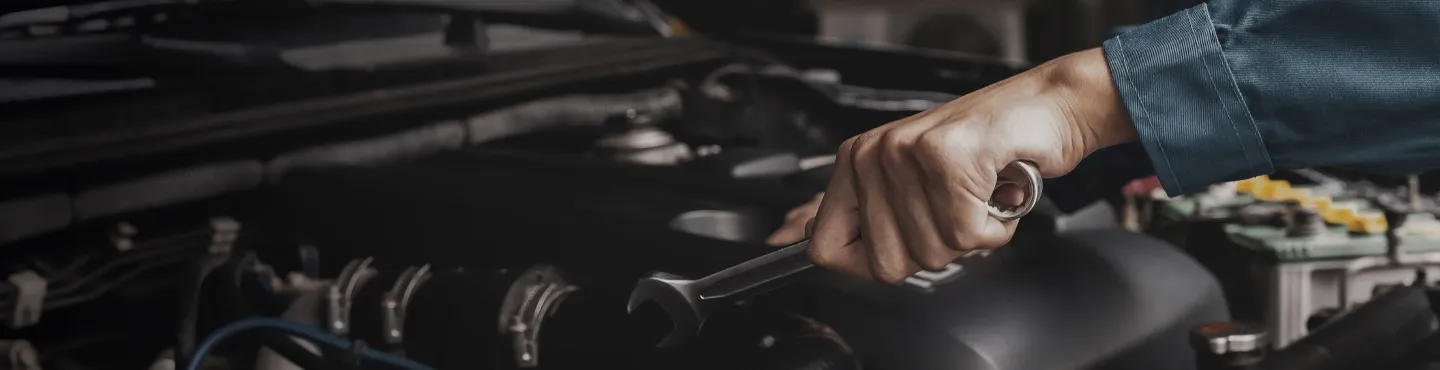
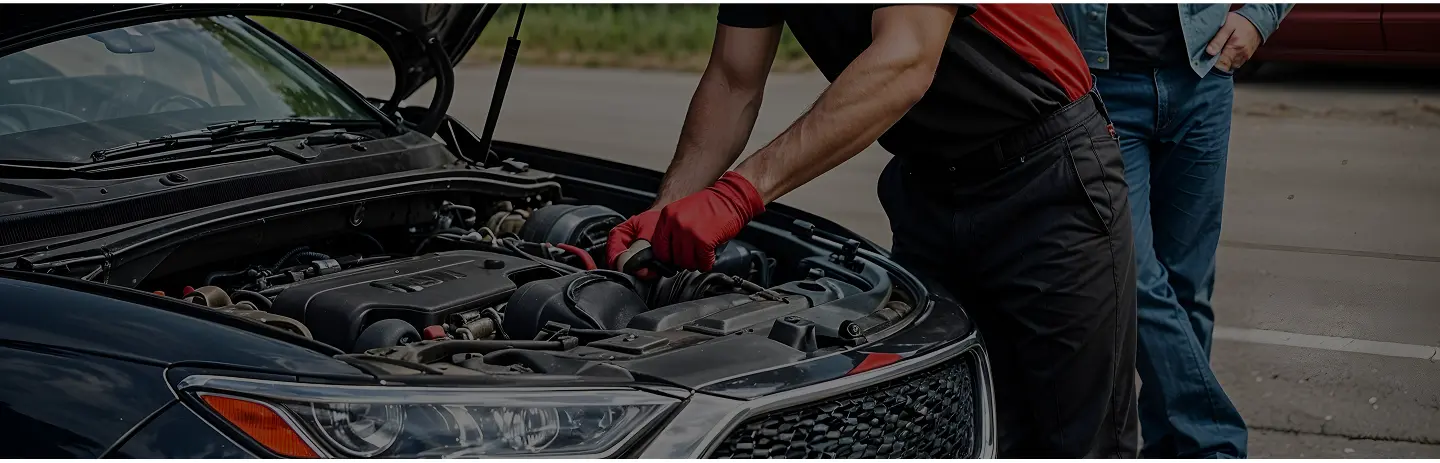
Few things are more frustrating than getting into your car, turning the key, and having absolutely nothing happen especially when you’re already late, stranded in a parking lot, or stuck somewhere far from home. Sometimes the engine does absolutely nothing. Other times it cranks normally but never actually starts. In both situations, many drivers immediately assume the battery is dead, but two of the most common causes are actually a failing starter motor or a failing fuel pump.
The tricky part is that these two failures can feel surprisingly similar at first. Both can leave you stranded unexpectedly. Both can create intermittent starting problems before complete failure happens. And both are commonly misdiagnosed, leading people to replace expensive parts they never actually needed.
The easiest way to separate the two problems is simple.
If the engine will not crank at all, the starter system becomes much more likely.
If the engine cranks normally but refuses to fire up, fuel delivery especially the fuel pump immediately becomes a major suspect.
In real-world repair situations, these problems get confused constantly. Weak batteries get mistaken for bad starters. Failing fuel pumps get confused with ignition problems. Some vehicles even show symptoms for weeks or months before completely failing, which makes the diagnosis even more confusing.
Understanding what your vehicle is actually doing during startup can save hundreds of dollars in unnecessary repairs and help you diagnose the problem much faster.
Drivers dealing with starting problems also commonly search for:
If your engine does not crank at all and you hear clicking, grinding, or complete silence, the starter system, battery, or starter relay is usually the problem.
If the engine cranks normally but never starts, the fuel pump, fuel pressure, spark, or fuel delivery system becomes much more likely.
A bad starter prevents the engine from turning over. A bad fuel pump usually allows the engine to turn over normally but prevents combustion from happening.
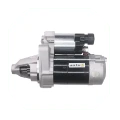
The starter motor has one very important job: spin the engine fast enough for combustion to begin.
When you turn the key or press the start button, electrical power travels through the ignition system to the starter relay and starter solenoid. The solenoid pushes a small gear outward so it can engage the engine’s flywheel while simultaneously sending high electrical current into the starter motor itself.
Once engaged, the starter motor spins the engine until combustion begins. After the engine starts running on its own, the starter automatically disengages.
Several components inside the starter system can fail independently, including the starter motor itself, the starter solenoid, ignition switch, starter relay, battery cables, or ground connections.
Many intermittent starter problems become noticeably worse during hot weather because heat increases electrical resistance inside worn starter components. This is why some vehicles start perfectly when cold but struggle badly after driving for a while.
A surprising number of “bad starter” diagnoses actually turn out to be:
♦ weak batteries,
♦ loose battery terminals,
♦ corroded grounds,
♦ or charging-system issues.
This is one reason professional diagnosis matters.
If your vehicle shows several of the symptoms below, you may also want to read:
The fuel pump performs a completely different task.
Instead of cranking the engine, the fuel pump delivers gasoline from the fuel tank to the engine at the proper pressure.
Most modern vehicles use an electric fuel pump mounted inside the fuel tank itself. When you switch the ignition into the “on” position, the pump briefly primes the system so fuel pressure is ready before the engine starts.
Once the engine starts running, the fuel pump continues operating constantly.
The system also includes the:
♦ fuel pressure regulator,
♦ fuel injectors,
♦ fuel filter,
♦ fuel pump relay,
♦ and electrical wiring.
Fuel pumps rarely fail instantly without warning. In many cases, drivers notice subtle symptoms for weeks beforehand including long crank times, hesitation during acceleration, poor hot starts, or whining noises from the fuel tank area.
Fuel pump problems are often confused with ignition or battery issues because many symptoms overlap.
Related diagnostic guides:
This is the key distinction that saves people hundreds of dollars in unnecessary repairs.
A bad starter usually prevents the engine from cranking.
A bad fuel pump usually allows the engine to crank normally, but the engine never starts.
If you hear the engine turning over with a normal cranking sound, the starter is likely functioning correctly.
If you hear:
♦ clicking,
♦ silence,
♦ grinding,
♦ or free-spinning,
the starter system becomes much more likely.
This distinction sounds simple, but many drivers struggle to tell whether the engine is actually cranking or not. Sometimes opening the hood while another person attempts to start the vehicle makes the difference much easier to recognize.
If the dashboard lights come on but the engine does absolutely nothing, the starter system immediately becomes suspect.
Possible causes range from a failed starter motor or worn solenoid contacts to something much simpler like a weak battery, poor ground connection, faulty starter relay, or ignition switch issue.
Before replacing the starter, battery voltage and terminal condition should always be checked first.
In many real-world situations, loose or corroded battery terminals create starter symptoms that look almost identical to complete starter failure.
One of the most common bad starter symptoms is hearing a single loud click when trying to start the vehicle.
This usually means the starter solenoid is attempting to engage, but the starter motor itself is unable to spin properly.
Sometimes the starter motor wears internally over time. Other times the solenoid contacts become burned or the battery voltage drops too low under load.
In real-world repair situations, weak batteries are frequently mistaken for failed starters because both problems can produce similar clicking symptoms.
If the headlights dim heavily when attempting to start the vehicle, battery condition should always be checked before replacing the starter itself.
Rapid clicking is almost always caused by a weak battery rather than a failed starter.
The battery voltage drops too low when the starter attempts to engage, causing the solenoid to repeatedly connect and disconnect. This creates the rapid machine-gun clicking sound many drivers hear.
Cold weather commonly makes this problem worse because low temperatures reduce battery performance significantly.
Grinding noises typically indicate the starter gear is not properly engaging the flywheel.
This can happen because of:
♦ worn starter gear teeth,
♦ damaged flywheel teeth,
♦ failing starter clutch,
♦ or improper starter alignment.
Ignoring this noise can eventually damage the flywheel itself, turning a relatively moderate repair into a much larger one.
Some drivers notice grinding only occasionally at first before it gradually becomes more consistent over time.
Sometimes the starter motor spins freely without actually turning the engine over.
This often means the pinion gear failed, the starter gear is not engaging correctly, or the overrunning clutch inside the starter has failed completely.
Drivers often describe this as hearing a “whirring” sound without the engine actually attempting to start.
Intermittent starter failures are extremely common.
One day the vehicle starts normally. The next day it refuses. Then suddenly it starts again without warning.
In many cases:
♦ worn brushes,
♦ failing solenoid contacts,
♦ heat-related resistance,
♦ or poor electrical connections
cause these inconsistent symptoms.
A classic mechanic trick is lightly tapping the starter while someone attempts to crank the engine. If the vehicle suddenly starts afterward, internal starter wear becomes highly likely.
This trick does not fix the starter permanently, but it often confirms the diagnosis.
This is one of the clearest fuel pump warning signs.
The engine turns over normally, but combustion never begins because fuel is not reaching the cylinders correctly.
Before replacing the fuel pump, it’s important to verify the engine is actually missing fuel rather than spark, since ignition failures can sometimes create similar symptoms.
Many vehicles with bad crankshaft position sensors, ignition coils, or severe spark issues can mimic fuel pump failure surprisingly well.
If the engine takes several extra seconds to start, fuel pressure may be bleeding off inside the system.
A failing check valve inside the fuel pump can allow fuel pressure to drain back into the tank after shutdown, forcing the system to rebuild pressure every time the engine starts.
This often becomes more noticeable after the vehicle sits overnight or after a short stop during hot weather.
Weak fuel pumps often struggle under higher demand.
The vehicle may hesitate during acceleration, stumble under load, surge unexpectedly, or suddenly lose power while driving.
These symptoms usually become progressively worse over time.
Some drivers initially notice the problem only during hard acceleration or highway merging before the issue eventually becomes noticeable during normal city driving as well.
A severely failing fuel pump can cause the engine to suddenly shut off while driving.
This can become dangerous at highway speeds or in traffic.
If the vehicle repeatedly stalls or loses power unexpectedly, the fuel system should be diagnosed immediately.
Fuel pump relay failures can also create similar symptoms, which is why relays should always be checked before replacing the pump itself.
Fuel pumps commonly fail more noticeably in hot weather because heat increases resistance inside aging electric motors.
Some vehicles start perfectly cold, run normally, but refuse to restart after a short stop while still hot.
This is a common sign of a thermally failing fuel pump.
Heat soak conditions after shutting the engine off can make these symptoms even worse.
A loud whining or buzzing sound from the rear of the vehicle often indicates the fuel pump is struggling.
Healthy fuel pumps are usually fairly quiet.
If the noise becomes noticeably louder over time, complete failure may not be far away.
Many drivers ignore this warning sign until the vehicle eventually refuses to start completely.
Always begin by checking the battery first. Low battery voltage creates starter symptoms constantly.
A healthy battery should typically read around 12.4-12.6 volts with the engine off. If voltage drops significantly lower, the battery may be weak or discharged.
Battery terminals and ground connections should also be inspected carefully because loose or corroded connections frequently mimic starter failure.
If the starter occasionally works after lightly tapping it during startup attempts, internal starter wear becomes highly likely.
Starter relays are also inexpensive and easy to test. Many fuse boxes contain identical relays that can temporarily be swapped for troubleshooting.
Voltage testing directly at the starter can confirm whether power is reaching the unit correctly.
If full battery voltage reaches the starter but nothing happens, the starter itself becomes much more likely.
Turn the ignition into the “on” position without cranking the engine and listen near the fuel tank area.
Most healthy fuel pumps produce a brief humming sound while priming the system.
No sound may indicate:
♦ failed fuel pump,
♦ relay failure,
♦ blown fuse,
♦ or wiring problems.
Fuel pressure testing is the most accurate way to confirm fuel pump problems. A fuel pressure gauge connected to the fuel rail can quickly determine whether the system is maintaining proper pressure.
Starting fluid can also help isolate fuel delivery problems. If the engine briefly starts after spraying starting fluid into the intake, fuel delivery becomes much more likely.
Because starting fluid is highly flammable, this test should always be performed carefully.
One reason no-start conditions become expensive is because several completely different problems can create nearly identical symptoms.
For example:
♦ a bad alternator can mimic battery failure,
♦ a weak battery can mimic starter failure,
♦ a crankshaft sensor can mimic fuel pump failure,
♦ and poor ground connections can mimic almost anything electrical.
This is why experienced mechanics usually begin with:
♦ voltage testing,
♦ fuel pressure testing,
♦ relay inspection,
♦ and basic electrical checks
before replacing major components.
Replacing parts without proper diagnosis often leads to wasted money and frustration.
Before replacing expensive components, always confirm the diagnosis properly. Many vehicles receive unnecessary starters, batteries, alternators, and fuel pumps simply because the actual root cause was never tested correctly.
Starter replacement typically costs between $200-$600 depending on the vehicle type, labor difficulty, and part quality.
Fuel pump replacement is usually more expensive because labor is more involved. Most fuel pump replacements range from $300-$900+, especially on vehicles where the fuel tank must be lowered completely.
Luxury vehicles, turbocharged engines, and certain European vehicles may cost significantly more.
A failing starter is usually more inconvenient than dangerous because the vehicle typically refuses to start altogether.
A failing fuel pump, however, can become a legitimate safety issue if the engine stalls while driving at highway speeds or in heavy traffic.
If the vehicle:
♦ repeatedly stalls,
♦ struggles to restart after warming up,
♦ loses power unexpectedly,
♦ or hesitates badly under acceleration,
the safest option is to have the vehicle diagnosed immediately.
One of the best ways to extend starter life is keeping the battery and charging system healthy.
Weak batteries force starters to work significantly harder, especially during cold weather.
Excessive cranking should also be avoided whenever possible. If the engine does not start after several attempts, continuing to crank repeatedly can overheat the starter motor and damage internal components.
Good electrical grounds are equally important. Corroded or loose grounds increase resistance and place additional stress on the entire starting system.
Fuel pumps rely on gasoline for cooling and lubrication.
Repeatedly driving with the fuel tank nearly empty can shorten pump life significantly because the pump becomes exposed to additional heat.
Keeping the fuel tank above one-quarter full is a good long-term habit.
Replacing fuel filters on schedule also helps reduce strain on the fuel pump itself.
Most importantly, do not ignore whining noises from the fuel tank or repeated long crank times. These symptoms often appear weeks or months before total fuel pump failure occurs.
Starter problems and fuel pump problems can both leave you stranded, but they usually reveal themselves in very different ways once you understand what the vehicle is actually doing during startup.
If the engine refuses to crank entirely, the starter system, battery, or electrical circuit is usually the primary suspect.
If the engine cranks normally but never fires up, fuel delivery becomes far more likely.
The biggest mistake drivers make is replacing parts before properly diagnosing the actual failure. A few simple tests like checking battery voltage, listening for fuel pump priming, or measuring fuel pressure can often narrow the problem down quickly and prevent unnecessary repairs.
Most importantly, pay attention to early warning signs. Long crank times, clicking noises, intermittent no-start conditions, hesitation during acceleration, and whining sounds from the fuel tank are often your vehicle’s way of warning you before a complete breakdown happens.
If you’re dealing with persistent starting issues, a mobile mechanic can often diagnose the problem onsite and help determine whether the issue is related to the starter, fuel system, battery, alternator, or another electrical component entirely.


Yes, both problems can leave your vehicle unable to start, which is why they are commonly confused. The biggest difference is that a bad starter usually prevents the engine from cranking, while a bad fuel pump usually allows the engine to crank normally but prevents it from actually starting.
A weak battery often causes rapid clicking, dim lights, or slow cranking, while a bad starter may produce a single loud click or complete silence even with good battery power. Checking battery voltage first is always important before replacing the starter.
Not always. Some failing fuel pumps create drivability problems like hesitation, long crank times, or stalling without immediately triggering a check engine light. Fuel pressure testing is often needed to confirm the diagnosis properly.
Yes, intermittent starter failure is extremely common. Heat, worn internal contacts, or failing starter brushes can cause the vehicle to start normally one day and fail the next.
Many failing fuel pumps produce a whining or buzzing noise coming from the fuel tank area. The noise often becomes louder over time as the pump struggles to maintain proper fuel pressure.
If the engine cranks normally but never starts, the problem is often related to fuel delivery, spark, or engine timing. A failing fuel pump is one common cause, but ignition issues or crankshaft sensor failures can create similar symptoms.
Yes, both systems can become more unreliable in high temperatures. Heat increases electrical resistance inside aging starter motors and fuel pumps, which is why many vehicles develop hot-start problems before complete failure occurs.
Driving with a weak fuel pump can be risky because the engine may stall unexpectedly while driving. If the vehicle hesitates badly, loses power, or repeatedly stalls, the problem should be diagnosed immediately.
Starter replacement usually costs between $200-$600 depending on the vehicle and labor complexity. Fuel pump replacement is often more expensive and commonly ranges between $300-$900 or more.
Yes, many mobile mechanics can diagnose starting and fuel-delivery problems at your location. They can often test battery voltage, inspect electrical connections, check fuel pressure, and help determine whether the issue is related to the starter, fuel pump, battery, or charging system.
Not sure whether your vehicle has a bad starter, failing fuel pump, weak battery, or charging-system issue? A certified mobile mechanic can diagnose the problem onsite and help you avoid replacing unnecessary parts.

Jamie arrived on time, diagnosed my car’s issue and provided a quote for the repair. I will definitely use again if needed.


Zack was very professional and did a great job fixing my car during the estimated time he provided. We would definitely use this service again.

Zach was great is work with. Showed up in the expected time frame, got the work done quickly as well.

My Jaguar battery was dead and I had no way of accessing it since it is located in the trunk….and I could not open the trunk since the battery was dead😵💫. Contacted Instant Car Fix and a mechanic was dispatched with a new battery. He was great! Got the trunk opened by jumping a terminal under the hood. Installed the new battery and the car was good to go! Great service by an experienced mechanic! Thanks!

J e a n was very helpful to me I'm hoping my problem has been resolved very patient and very professional I recommend them to other people

Diego has great customer service. He was very fast and professional. He also gave me a few tips for any other problems

Great customer service! Real person answered every phone call right away and was able to assist quickly. I got the pre-purchase inspection I needed. Detailed notes, multiple photos. Very satisfied. A+

Had Caleb do a pre-purchase inspection on a Jeep I was buying from Missouri, and the guy was great. Really thorough — found stuff I would’ve missed, told me straight what was worth fixing and what wasn’t. No runaround, answered all my questions fast. If you’re buying a used rig, don’t skip this step. I highly recommend.

Lovely service, very fast, the car was fully fixed, battery change was super fast and oil change. Very grateful!

Jamie arrived on time, diagnosed my car’s issue and provided a quote for the repair. I will definitely use again if needed.
Zack was very professional and did a great job fixing my car during the estimated time he provided. We would definitely use this service again.
Zach was great is work with. Showed up in the expected time frame, got the work done quickly as well.
My Jaguar battery was dead and I had no way of accessing it since it is located in the trunk….and I could not open the trunk since the battery was dead😵💫. Contacted Instant Car Fix and a mechanic was dispatched with a new battery. He was great! Got the trunk opened by jumping a terminal under the hood. Installed the new battery and the car was good to go! Great service by an experienced mechanic! Thanks!
J e a n was very helpful to me I'm hoping my problem has been resolved very patient and very professional I recommend them to other people
Diego has great customer service. He was very fast and professional. He also gave me a few tips for any other problems
Great customer service! Real person answered every phone call right away and was able to assist quickly. I got the pre-purchase inspection I needed. Detailed notes, multiple photos. Very satisfied. A+
Had Caleb do a pre-purchase inspection on a Jeep I was buying from Missouri, and the guy was great. Really thorough — found stuff I would’ve missed, told me straight what was worth fixing and what wasn’t. No runaround, answered all my questions fast. If you’re buying a used rig, don’t skip this step. I highly recommend.
Lovely service, very fast, the car was fully fixed, battery change was super fast and oil change. Very grateful!